


戦国武将の名言からビジネスを学ぶ、現役プロ社畜が解説する、ビジネス戦略シリーズ。 今回のテーマは、会社員が最も胃を痛める永遠の課題「上司との人間関係」についてです。
「私は人一倍仕事をして成果を出しているのに、なぜか上司に冷遇される」「理不尽な上司のミスを正論で指摘したら、目をつけられてしまった」と、職場で孤独な戦いを続けているそこのあなた。
実は、「仕事ができる人」というフェーズで止まってしまうと、組織ではただの「便利な道具」か、最悪の場合は「自分の地位を脅かす脅威」として潰されてしまうという不都合な真実があります。
今回は、戦国最恐の天才軍師でありながら、「有能すぎて秀吉から警戒され、左遷されかかった」という凄まじい実績と挫折を持つ黒田官兵衛(くろだ かんべえ)の生き様から、無能な組織で生き残るための「上司操縦術」を徹底的に学んでいきましょう。
※当ページは一部にプロモーションを含みます
黒田官兵衛とはどんな人物か?
黒田官兵衛(のちの黒田如水)の生涯を、彼の圧倒的な実績とともにおさらいしましょう。
播磨国(兵庫県)の家老の息子として生まれた官兵衛は、のちに豊臣秀吉の参謀として確固たる地位を築きます。 彼のキャリアは、過酷なトラブルから始まりました。謀反を起こした荒木村重を説得しに単身乗り込むも、捕らえられて土牢に約1年間も幽閉されてしまうのです。一命は取り留めたものの、足が不自由になるという壮絶なハンデを負うことになります。
しかし復帰後、彼は誰も思いつかない奇策を連発します。「鳥取城の兵糧攻め」や「備中高松城の水攻め」など、圧倒的な成果で秀吉の中国攻めをこなしていきます。 そして極めつけは「本能寺の変」です。信長の死を知り、うろたえる秀吉に「ご武運が開けましたな」と進言。伝説の「中国大返し」を主導し、秀吉を天下人へと押し上げた立役者となりました。
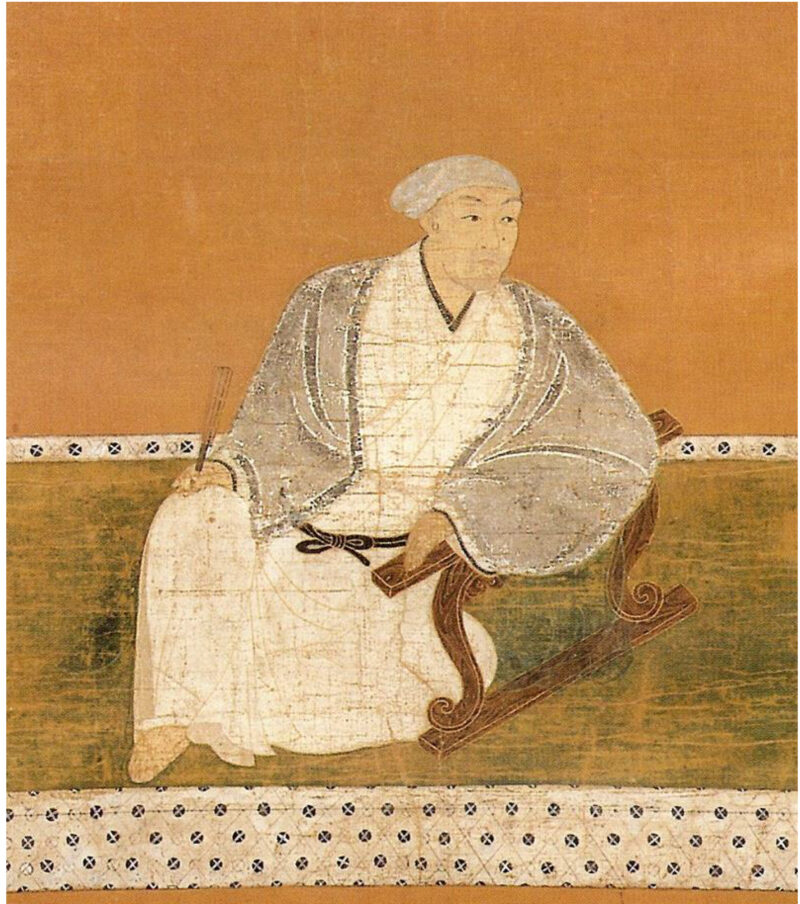

官兵衛は言わずと知れた天下人・豊臣秀吉の軍師としても知られており、現代でもファンが多い武将です。大河ドラマの主人公にもなっていのるは高い認知度の裏返しでもあるでしょう。信長からも天才と認められ、名刀「圧切長谷部(へしきりはせべ)」を賜るほどの男でした。しかし、この「優秀すぎる」ことが、のちに彼の首を絞めることになります。
なぜ「仕事ができる人」ほど、社内で居場所を失うのか?
成果を出している人間が評価されるべきなのに、なぜか仕事ができる人ほど孤立していく。この組織の闇を、官兵衛が秀吉から距離を置かれていった背景とともに紐解きます。
あなたの有能さが、上司の「恐怖心」を煽っている
官兵衛は小田原征伐で単身敵陣に乗り込み、無血開城させるという大功績を立てます。これ以上ない100点満点の仕事です。しかし秀吉の反応は冷ややかなものでした。
秀吉はある日、側近たちに「俺の次に天下を取るのは誰だ?」と問いかけ、全員が有名大名の名前を挙げる中、こう言ったといいます。
「違う。次に天下を取るのは、あの黒田官兵衛だ。あいつは頭が良すぎる。その気になれば、俺の目が黒いうちに天下を取るぞ」
これを現代のオフィスに置き換えてみましょう。
上司や経営陣からすれば、「自分より圧倒的に仕事ができて、現場の信頼も厚く、何を考えているか分からない部下」は、リスペクトの対象ではなく「いつ自分の席を奪いに来るか分からない恐怖の対象」なのです。あなたが良かれと思って出した圧倒的な成果が、無能な上司の保身スイッチを押してしまっている可能性があります。
組織のエースが潰されるメカニズム
秀吉の警戒を察した官兵衛は、なんと44歳という若さで家督を息子に譲り、髪を剃って「黒田如水」と名乗り、第一線から身を引く(出家する)しかありませんでした。そうしなければ、秀吉に暗殺されるか、難癖をつけられて切腹させられるリスクがあったからです。
現代の組織でも全く同じです。
「あいつにこれ以上実績を出されると、自分の能力が浮き彫りになる」と恐れた上司は、エース社員に対して「あえて本業とは関係のない雑務を押し付ける」「予算や人員を削って意図的に成果を出しにくくする」「経営陣とのパイプを遮断する」といった嫌がらせ(隔離政策)を始めます。こうして、仕事ができる優秀な人間ほど、組織の力によって静かに潰されていくのです。
黒田官兵衛が遺した禁句「上司の弱点を指摘するな」の真意
そんな修羅の国を生き抜いた天才が、後世に遺した痛烈な名言がこちらです。
「上司の弱点を指摘するな」
とてもシンプルな名言ですが、官兵衛が言うととても重たく感じますね。
正論を吐く「仕事ができる人」は、なぜ一番損をするのか
上司の間違いやビジネスモデルの欠陥が見えてしまう優秀な人ほど、「そこは違います」「このデータのここが間違っています」と、悪気なく正論のナイフを振り回してしまいます。
しかし、上司もプライドのある人間です。多くのメンバーの前で自分の弱点やミスをストレートに指摘された上司は、激しい屈辱を覚えます。 戦国の世であれば言葉一つで「切腹」ですが、現代のオフィスでも「理不尽な人事評価」や「プロジェクトからの除外」として100%報復されます。
実は官兵衛自身、秀吉の朝鮮出兵(文禄・慶長の役)の際、作戦の無謀さと間違いを真っ正面から正そうとして秀吉の逆鱗に触れ、危うく切腹させられそうになっています。「正しい言葉」であっても、聞く耳を持たない、プライドが肥大化した上司には「毒」にしかならないのです。
無能な組織ほど有能を排除する理由
組織が硬直化し、リーダーやマネジメント層が無能化してくると、この「有能の排除」は加速します。
当ブログでも解説している「ピーターの法則(人間は能力の極限まで出世し、あらゆる階層が無能な中間管理職で埋め尽くされる)」が働いている組織では、上層部は自分たちのポジションを守ることで必死です。

無能なリーダーにとって、イノベーションを起こそうとする「有能な部下」は、自分たちの前例踏襲ルールという「ぬるま湯」をかき乱す不届き者でしかありません。結果、組織の自浄作用が歪み、「優秀な人間から順番に見切りをつけて辞めていき、他に行くあてのないマニュアル人間だけが上司のイエスマンとして生き残る」という最悪のグレシャムの法則(悪貨は良貨を駆逐する)が完成するのです。
無能な組織、無能な上司ほど、自身の掌の中で収めようとします。出来ない組織などのキャパシティーほど窮屈なものはありません。
現代のオフィスで「上司」をスマートに手玉に取る方法
では、私たちはこの理不尽な現代の職場で、どのように立ち回ればいいのでしょうか。ここからは、現場で今すぐ実践できる「あるある」対策法です。
パワハラ・手柄泥棒・事なかれ主義への「大人の処方箋」
怒鳴り散らす「パワハラ上司」には・・・
正面から反論するのはエネルギーの無駄です。彼らは「自分の無能がバレる恐怖」を怒りで誤魔化している弱者です。感情を無にして「おっしゃる通りです」と受け流しつつ、裏では完全義務化された「パワハラ相談窓口」や人事宛てに、暴言の録音や日記(エビデンス)を淡々と積み上げ、外部兵力でロジカルに処理しましょう。
成果を盗む「手柄泥棒上司」には
あえて事前の「ほう・れん・そう」を細かくメール(形に残る文字)で送り、「このプロジェクトは私が企画し、進めています」という足跡を外堀から埋めておきます。戦わずして勝つ、これが軍師の流儀です。
アイデアを出すときは「上司に100%の華」を持たせる
官兵衛が秀吉と家康が激突した「小牧・長久手の戦い」の泥沼を終わらせたとき、彼は秀吉に「家康を武力で潰すのではなく、朝廷から高い身分(官位)をもらい、朝廷を味方につけて家康を自動的に部下にしてしまえばよろしい」というを進言しました。
この時、官兵衛は「俺の言った通りにすれば勝てますよ」という態度は微塵も出しません。あくまで「これは秀吉様だからこそ成し遂げられる大業です」と、手柄を100%秀吉のものとして進言しました。
現代のビジネスでも、画期的なアイデアを思いついた時は、「私が考えました!」と前に出るのではなく、「〇〇部長の先日のアドバイスをヒントに、この企画を作ってみました」と、上司の脳内に直接インプットして「上司が自分で思いついた」と錯覚させるのです。上司は気分良くその企画を上に通し、あなたは「自分の通したい企画」をノーリスクで実行できます。
これがなかなか難しいバランスです。自身の主張を抑えてあくまで一般論や
客観視したアドバイスを差し上げることで、嫌みなどにも聞こえず、耳を傾けてもらえそうですね。
まとめ:仕事ができる人から「軍師」へ進化せよ
今回は、黒田官兵衛の生涯と名言をもとに、組織における正しい上司の転がし方を考えました。
ただがむしゃらに「仕事ができる人」で終わってしまうと、いつか必ず上司の嫉妬や組織の壁にぶつかります。私たちが目指すべきは、プレイヤーとして目立つことではなく、組織を俯瞰し、上司すらも一つの「駒」として活用して大きな成果を出す「軍師」への進化です。
官兵衛の最期には、こんな不気味な逸話が遺されています。 関ヶ原の戦いで大功績を挙げ、徳川家康から直々に右手を握られて感謝された息子の長政。嬉しそうにその報告をする長政に対し、父・官兵衛(如水)は冷徹にこう問い詰めました。
「家康殿に右手を握られている時、お前の左手は何をしていたのだ?(空いた左手で、家康の首を突けたであろうに・・・)」
この言葉の真意が、豊臣家への執念だったのか、あるいは自らが天下を取れなかった野心だったのかは、誰にも分かりません。
現代を生きるサラリーマンの皆さんも、職場の理不尽な上司に対しては、徹底的に「お見事です!」と華を持たせておきましょう。ただし、自分の本当の実力や、次なるキャリアへの一手(転職やスキルの習得という野心)といった「手の奥」までは、決して見せないこと。
それこそが、理不尽な組織をスマートに泳ぎ切り、自分の人生の主導権を握るための、最強の軍師の知恵なのです。
それでは皆様、今日も手の内を隠して、素敵な社畜ライフを!
Don’t Just Be a High Performer! Master Your Boss the Kuroda Kanbei Way
Welcome to the Corporate Survival Strategy series, brought to you by an active, professional corporate drone. Today’s theme addresses the eternal headache of every employee: navigating relationships with your boss.
“I work twice as hard as anyone else and deliver great results, so why am I being sidelined?” “I pointed out my manager’s mistake with pure facts, and now I’m on their blacklist.”
If you find yourself fighting these lonely battles in the office, here is an inconvenient truth: If you stop at just being “good at your job,” organizations will either treat you as a convenient tool or, worse, crush you as a threat to their own power.
Today, we will dive into the life of Kuroda Kanbei, Japan’s legendary samurai strategist. Despite his unparalleled achievements, he was heavily sidelined by his own boss, Toyotomi Hideyoshi, simply for being too competent. Let’s learn his ultimate tactical guide to managing incompetent bosses and surviving toxic organizations.
This page contains promotional content.
Who Was Kuroda Kanbei?
First, let’s do a quick performance review of Kuroda Kanbei’s (later known as Kuroda Josui) jaw-dropping historical career.
Born as the son of a chief retainer in Harima Province (modern-day Hyogo Prefecture), Kanbei eventually rose to become the top strategist (the ultimate Number 2) for Toyotomi Hideyoshi, the man who would unify Japan.
Kanbei’s career started with a catastrophic crisis. While attempting to defuse a rebellion by negotiating single-handedly, he was captured and imprisoned in a dungeon for a year. Though he survived, the ordeal left him with a severe, lifelong leg injury.
Yet, upon his return, he launched a series of unprecedented operational innovations. Strategies like the starvation siege of Tottori Castle and the tactical flooding of Takamatsu Castle rescued Hideyoshi’s campaigns time and again.
His peak performance came during the “Honno-ji Incident” (the assassination of their lord, Oda Nobunaga). While Hideyoshi was panicking over the news, Kanbei calmly told him, “Your path to supreme fortune has just opened.” He then orchestrated the legendary “Great Chugoku March,” reversing their entire army at lightning speed to seize power, effectively making Hideyoshi the ruler of Japan.
Turning a devastating crisis into the ultimate career opportunity is the hallmark of a top-tier business consultant. Kanbei was so brilliant that even the ruthless Lord Nobunaga recognized his genius, awarding him the masterpiece sword “Heshikiri Hasebe.” However, being this competent would eventually come back to haunt him.
Why “High Performers” Lose Their Place in the Office
Why is it that the people who deliver the best results are often the ones who get isolated? Let’s unpack this organizational dark side through the lens of why Hideyoshi ultimately distanced himself from Kanbei.
Your Competence Triggers Your Boss’s Insecurity
During the Siege of Odawara, Kanbei walked alone into the enemy stronghold and negotiated a bloodless surrender—a flawless, 100-point performance. Yet, Hideyoshi’s reaction was chillingly cold.
One day, Hideyoshi asked his inner circle, “Who will take over the nation after me?” As his lords listed various powerful rulers, Hideyoshi cut them off:
“No. The one who will take the nation next is Kuroda Kanbei. He is too smart. If he wanted to, he could take my head before I even blink.”
Let’s translate this to the modern office. To an average manager or executive, a subordinate who is overwhelmingly competent, deeply trusted by the frontline, and impossible to read is not an asset—they are a terrifying threat to their own job security. The brilliant results you deliver with the best intentions might just be triggering your incompetent boss’s survival instincts.
📉The Mechanism of Crushing the Corporate Ace
Sensing Hideyoshi’s deep suspicion, Kanbei did something drastic: at the young age of 44, he handed his leadership position to his son, shaved his head, took the monk name “Kuroda Josui,” and stepped down from the front lines. He knew that if he didn’t, he risked being assassinated or forced into execution under false pretenses.
Modern corporate dynamics operate exactly the same way. A manager terrified that “this employee’s results will expose my own incompetence” will quietly initiate an isolation policy against the ace. They will dump irrelevant administrative grunt work on you, slash your project budget, or cut off your direct communication lines to higher executives. Consequently, the most competent talent gets systematically suffocated by the hierarchy.
The True Meaning of Kanbei’s Taboo: “Never Point Out Your Boss’s Weaknesses”
Having survived a cutthroat era of betrayal, the genius strategist left behind this sharp piece of advice:
“Never point out your boss’s weaknesses.”
Why the “Logical Realist” Always Loses
The most competent employees—those who can clearly see flaws in management decisions or business models—often swing the “blade of logic” without malice, saying things like, “That’s incorrect,” or “The data in this report is wrong.”
However, bosses are driven by ego. Being called out on a mistake in front of the team inflicts deep humiliation. In the samurai era, this meant literal death; in the modern office, it guarantees retaliation via poor performance reviews or exclusion from high-profile projects.
Even Kanbei himself forgot his own rule during Hideyoshi’s reckless invasion of Korea. When Kanbei opposed the campaign using raw logic, Hideyoshi flew into such a rage that Kanbei narrowly escaped execution. No matter how right your argument is, logic is toxic to a boss who refuses to listen and is consumed by ego.
Why Incompetent Organizations Purge Top Talent
As organizations stagnate and management rots, this purge of competent talent accelerates.
When a company falls victim to The Peter Principle (where employees are promoted to their level of incompetence, leaving middle management stuffed with underperformers), managers care about only one thing: protecting their territory.
To an incompetent leader, an innovative, high-performing employee is a disruptive nuisance shaking up the comfortable status quo. As a result, the company’s internal ecosystem breaks down, triggering a toxic twist on Gresham’s Law (Bad money drives out good): Your best talent leaves first out of frustration, leaving behind only the compliant yes-men who have nowhere else to go.
Mediocre organizations and weak managers want everything kept safely within their tiny grasp. There is nothing more suffocating than working under a manager whose capacity is smaller than your potential.
How to Smartly Outmaneuver Your Boss in the Modern Office
So, how do we navigate this corporate trap? Here are highly actionable, real-world tactics you can deploy tomorrow.
Prescriptions for Power Trippers, Credit Stealers, and Do-Nothings
- For the Screaming “Power-Tripping Boss”: Arguing back is a waste of corporate energy. They scream because they are weak, masking their fear of exposure with anger. Empty your mind, nod along with an “Understood,” while quietly compiling dates, recordings, and logs of their outbursts. Use the company’s HR compliance hotline to neutralize them logically via external leverage.
- For the “Credit-Stealing Boss”: Over-communicate through written channels. Send detailed status updates via email, leaving an undeniable paper trail that explicitly states, “I am driving this project.” Win without fighting; that is the strategist’s way.
Presenting Ideas: Give Your Boss 100% of the Glory
When Kanbei resolved the grueling stalemate of the Battle of Komaki-Nagakute, he didn’t tell Hideyoshi to keep fighting. Instead, he proposed an ingenious bureaucratic loophole: Manipulate the Imperial Court to grant Hideyoshi a higher political rank than his rivals, effectively turning his enemies into his legal subordinates overnight.
Kanbei didn’t boast, “Look how smart I am.” Instead, he packaged the idea beautifully, presenting it as: “This is a grand masterstroke that only a leader of your stature, Lord Hideyoshi, could pull off.” He gave his boss 100% of the glory.
In modern business, when you have a brilliant idea, don’t scream “I made this!” Instead, frame it as: “Building on the insightful feedback you gave me last week, Boss, I mapped out this execution plan.” By planting the seed directly into their mind, they will believe it was their own idea. They will happily champion your project to upper management, and you get to execute your plan with zero political risk.
Striking this balance is an art. By framing your genius ideas as objective data or natural extensions of their advice, you avoid sounding arrogant, and they will actually listen to you.
Conclusion: Evolve from a “High Performer” into a “Strategist”
Just grinding away as a “hard worker” will eventually run you straight into a wall of management jealousy and corporate bureaucracy. Your ultimate goal shouldn’t be to stand out as a loud player, but to view the organization from a bird’s-eye view—treating even your boss as a piece on the board to achieve massive results. Become the Strategist.
A chilling story survives from the end of Kanbei’s life. His son, Nagamasa, returned from the Battle of Sekigahara and proudly reported that the new ruler of Japan, Tokugawa Ieyasu, had personally held his right hand in deep gratitude.
Hearing this, the old strategist looked at his son with cold eyes and asked:
“While Ieyasu was holding your right hand, what was your left hand doing? (With your left hand free, you could have taken his life right then and there.)”
Whether this question stemmed from a lingering loyalty to his old boss or his own unfulfilled ambition to rule Japan, no one knows.
For those of us navigating the modern corporate jungle, keep letting your boss have their applause. Shower them with your “Brilliant job, sir!” But never, under any circumstances, show them your left hand. Keep your true potential, your exit strategies, and your personal ambitions completely hidden.
That is the ultimate wisdom of history’s greatest strategist: keep your cards close, manipulate the board, and master your corporate life.
Now go out there, hide your hand, and have a brilliant day on the clock!