プロ社畜が解説する戦国武将名言シリーズ。今回は徳川家康の名言に学ぶ、ビジネスでの怒りの感情を考えてみましょう。
※当ページは一部にプロモーションを含みます
アンガーマネジメントとは?(怒りのメカニズムとデメリット)
仕事やビジネスにおいてイライラとしてしまい、同僚や部下、取引先に感情的な対応を行ってしまうと、自身の評価を下げることにも繋がりかねません。そこで現代のビジネスにおいて非常に注目されているのが「アンガーマネジメント」です。
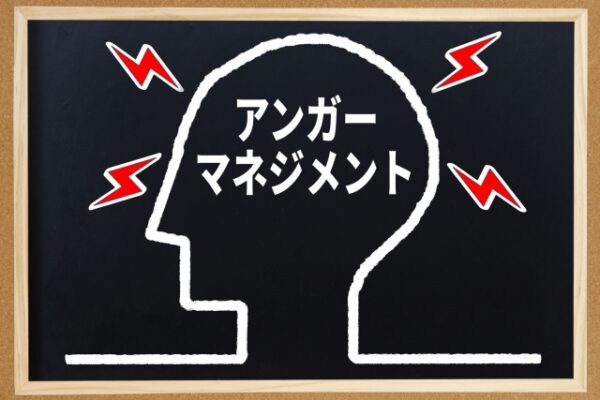
アンガーマネジメントとは、1970年代にアメリカで誕生した、怒りの感情を上手にコントロールするための心理的トレーニングのこと。
大切なことは「怒りの感情を発生させないこと」ではなく、「発生しうる感情をいかに上手にコントロールするか」を目的としています。
そもそも、なぜ人は怒りの感情を抱いてしまうのか?(怒りのメカニズム)
怒りという感情は、自分を守るための防衛本能とも言われています。
人間は、無意識のうちに相手に対して「こうあってほしい」「こうするべきだ」という理想や期待・願望を持っています。この思いとの間にギャップが生じた際に、まず脳は「不安」や「恐れ」「悔しい」といったネガティブな感情(一次感情)を抱きます。このネガティブな感情が許容量を超えると、自己防衛のために「怒り(二次感情)」として爆発するようにあふれてしまうのです。
ちなみに、他部署の全く知らない新人がミスをしても、あまり腹が立たないのはなぜでしょうか? それは、その新人に期待値を持ち合わせていないからです。
逆に、自分が長年指導してきた部下や身近な上司に対してイライラしてしまうのは、そこに「できて当然」「こうあるべき」という認知的不協和(期待値のギャップ)が発生しているからなのです。
怒りの感情がもたらす致命的なデメリット
職場の雰囲気が悪くなる
イライラした態度を出してしまうと、チーム全体のパフォーマンスが低下します。感情的な対応が表面化しケンカのような関係性になると、業務に支障が発生します。
上下関係によるハラスメントの発生
職場において怒りの感情は「上から下へ流れてしまう」性質があります。イライラした上司に八つ当たりされた先輩が、さらに立場の弱い部下へと強く当たる「怒りの上位下達」が起きてしまいます。
あの徳川家康も、実は「超・短気」で癇癪持ちだった!?
ここで、今回の主役である徳川家康のエピソードを取り上げてみましょう。
徳川家康といえば、「鳴かぬなら 鳴くまで待とう ホトトギス」のイメージがあるように、じっと耐え忍ぶ辛抱強い人柄、仏のような聖人君子を思い浮かべる方が多いのではないでしょうか。 織田信長・豊臣秀吉という二大天下人を間近で見届け、人の軋轢を感じながら生き抜いた末の天下人であり、260年余にわたる江戸の世の礎を築いた人物です。
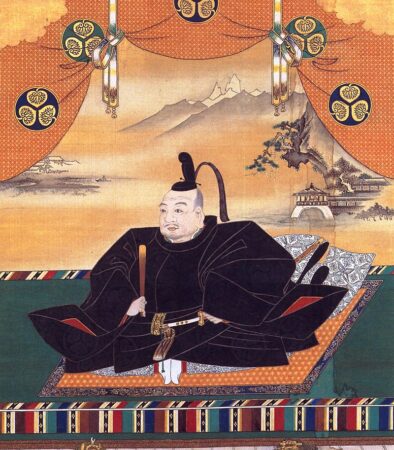
しかし、実際の史実に出てくる家康は、驚くほど短気で、すぐに悲観的発想から癇癪(かんしゃく)を起こすめんどくさい性格でした。
【家康の裏の顔①】戦況が悪くなるとすぐ「切腹する!」と騒ぐ
家康のエピソードにたびたび出てくるのが「切腹」という言葉です。戦場でも自身の戦況が危うくなると、すぐに「もうダメだ!切腹してやる!」と騒ぎ立て、家臣を困らせていました。
桶狭間の戦いにて主君の今川義元が討ち取られたと耳にした際も、絶望のあまり切腹を試みますが寺の住職にたしなめられます。その後の本能寺の変や大坂の陣でも、自身の戦況が悪くなるとすぐに切腹しようとし、いずれも家臣の必死の説得により事なきを得ています。
トラブルが起きるたびに「もう会社辞めてやる!」と極端な愚痴をこぼす先輩や上司がいたら、正直勘弁してほしいですよね(笑)。家康の家臣たちも、そのたびに全力で説得に働いていて本当に大変だったと思います。
【家康の裏の顔②】怒りが収まらず、旗差しを八つ当たりで斬り倒す
関ヶ原の戦いという超重要局面でのこと。後方より馬で駆け抜けてきた伝令役と接触した際、激高した家康は伝令役相手に刀を振り回したともいわれております。その刀を必死に避けて走り去る伝令役に家康の怒りは収まらず、なんと傍にあった「旗差し(のぼり旗)」を八つ当たりで切り倒したというエピソードが残っています。
怒りをぶちまける上司ほど、めんどくさく恐ろしいものはありません。
では、そんな「瞬間湯沸かし器」だった家康が、なぜ最終的に天下を掴み、歴史上最も安定した組織を作ることができたのでしょうか?
だからこそ心に突き刺さる、家康の遺訓「いかりは敵と思え」
怒りに任せて行動し、何度も危うく身を滅ぼしかけ、そのたびに周囲にたしなめられてきた家康。彼は自身の失敗の歴史を基に、人生の終盤、後世の人間へ向けてあまりにも重い言葉(東照宮公御遺訓)を遺しました。
徳川家康の遺訓(名言)
「人の一生は重荷を負うて遠き道をゆくがごとし、いそぐべからず。 不自由を常と思えば不足なし。心に望みおこらば困窮したる時を思い出すべし。 堪忍は無事長久の基、いかりは敵とおもへ。 勝つ事ばかり知りて、負くる事を知らざれば、害其の身にいたる。 おのれを責めて人を責めるな。及ばざるは過ぎたるより勝れり」
この言葉は、遠回りをするように焦らず、当たり前を当たり前と思わずに、「何事も不自由(思い通りにいかないこと)が当たり前」と思えば不満もなくなる、足りないくらいがちょうどいい、という考えを表しています。
そして何より、「堪忍(我慢)こそが物事を長続きさせる秘訣であり、怒りは自分を滅ぼす最大の敵(敵とおもえ)」と断言しているのです。
生まれつきの聖人ではなく、「キレまくって大失敗を重ねてきた短気な男」が、血の滲むような人生経験からひねり出した結論だからこそ、この遺訓は現代を生きる私たちの心に深く突き刺さるのですね。
プロ社畜も実践!仕事のイライラを瞬時に抑える方法
短気だった家康の教えを基に、現代のビジネスパーソンも怒りの感情をコントロールできるようになりましょう。感情を上手に管理できれば、ポジティブで「仕事ができる人」という良好な印象を持たれ、人間関係や社内評価を上げることができます。
「最初の6秒」を物理的にやり過ごす(6秒ルール)
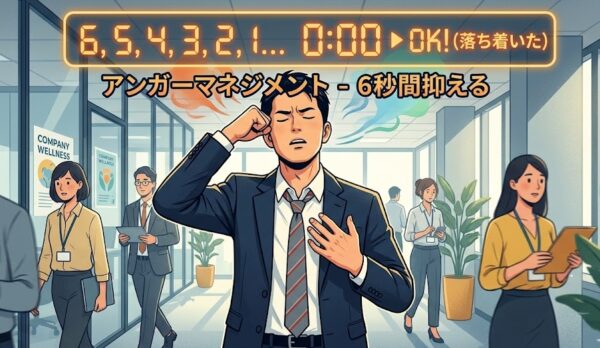
怒りを感じたら、衝動的に対応するのではなく一呼吸置くようにしましょう。脳科学において、怒りの感情のピークは一般的に「6秒間」と言われています。つまり、この6秒間を凌ぐことが出来れば、落ち着いた対応を行いやすくなります。
心の中でゆっくり「1・2・3・4・5・6」と数えて論点を整理するのも良いですが、「深呼吸を行ったり、思い切ってその場を立ち去る(席を外して自販機にコーヒーを買いに行くなど)」も非常に有効な選択肢になります。
理想や願望など価値観のズレを受け入れる(他人に期待しない)
部下は自分より経験値も少ないのでミスをして当然、できなかったのは自身の指示が不十分であったからである――。あらかじめ「他人は思い通りにならないもの」として受け入れる気持ちを持つことで、期待値のギャップによる怒りを未然に防ぐことができます。家康の言う「不自由を常と思えば不足なし」の精神で、他人に過度な期待をするのをやめてみましょう。


怒りを鎮める偉人の名言
徳川家康以外にも、歴史上の様々な偉人が怒りについての言葉を多く残しています。その多くは、怒りの感情をネガティブなものとして戒める内容(短気は損気)となっています。
「怒りは無謀をもって始まり、後悔もって終わる」
(ピタゴラス|古代ギリシャの哲学者)
「政治において、憤怒は常に最悪の役回りを演じる」
(ウラジーミル・レーニン|ロシアの革命家)
「怒りから始まったものは、恥にまみれて終わる」
(ベンジャミン・フランクリン|アメリカ建国の父)
「怒りの結果は、怒りの原因よりもはるかに重大である」
(マルクス・アウレリウス|ローマ皇帝)
仕事ができる人は自己管理に長けている方も多く、ポジティブな印象を受けます。怒りの感情を上手にコントロールすることでポジティブな仕事ができる人の印象も持てるのです。

まとめ
今回は徳川家康の名言からアンガーマネジメント、怒りに対するデメリットを取り上げてみました。
戦国時代では、怒りで判断を誤ったり鈍ったりすると、そのままお家の滅亡につながりかねません。家康も、たしなめてくれる優秀な部下(「いさめてくれる部下は一番槍より値打ちがある」)がいなければ、そのまま切腹してしまい、その後の260余年の徳川幕府は無かったかもしれません。
現代のビジネスにおいても、ハラスメント一発でクビ(キャリア終了)になる時代です。職場でムカつく相手に出会ったら、家康の「いかりは敵とおもへ」を思い出し、そこでキレずに笑顔で受け流しましょう。
裏で淡々と自分のスキルを磨き、成果を出してさっさと相手を踏み台にしていくことこそが、現代社畜における最強のアンガーマネジメントです。
それでは皆様、今日も手の内を隠して、素敵な社畜ライフを!
Anger is Your Ultimate Enemy: Learning Anger Management from Tokugawa Ieyasu
Welcome back to the Corporate Slave Survival Guide! In our “Samurai Wisdom for Modern Business” series, today we are diving deep into one of the most vital survival skills for the modern workplace: Anger Management, inspired by the legendary shogun, Tokugawa Ieyasu.
Are you dealing with daily rage at your workplace?
- “My boss changes his instructions every single day. I’m about to lose it!”
- “The point contact in the other department is so incredibly rude!”
I feel your pain. But let me remind you of a cold, hard rule in the modern corporate world: “The moment you lose your temper in the office, you lose the game.”
No matter how right you are, blowing your top instantly labels you as “unstable,” “difficult to work with,” or even a “harasser.” Getting angry at work is a self-destructive move with zero ROI.
Today, we will break down the mechanics of anger, look at the hilarious (yet real) emotional meltdowns of Japan’s greatest ruler, and learn how to weaponize his ultimate wisdom to protect your career.
This page contains promotional content.
What Exactly is “Anger Management”?
Anger management is a psychological training method developed in the US during the 1970s.
The goal here is NOT to suppress your anger or pretend it doesn’t exist. Instead, it is about controlling your reaction to that anger so you don’t ruin your reputation, your performance, or your workplace relationships.
The Mechanics of Anger: The Expectation Gap
Why do we get so irritated at work in the first place? It all comes down to “The Expectation Gap.”
Subconsciously, we all hold rigid expectations of others—our “Shoulds.”
- “My boss should give clear instructions.”
- “My senior colleague should be kind when teaching me.”
When these “shoulds” are betrayed, your brain experiences negative primary emotions like anxiety, fear, or frustration. To protect yourself from these wounds, your brain converts them into a powerful secondary emotion: Anger.
Think about it: If a total stranger from another company makes a mistake, you don’t really get furious, right? Why? Because you have zero expectations of them.
You get angry at your boss or your team precisely because you expect them to be competent. Anger is born from your own unfulfilled expectations.
The Fatal Disadvantages of Losing Your Temper
- Ruining the Workplace Vibe: Exuding toxic, frustrated energy drags down the entire team’s productivity and causes unnecessary friction.
- The “Trickle-Down” Rage (Harassment): Anger in the corporate world always flows from the top to the bottom. A stressed-out executive barks at a manager, the manager snaps at a senior staff member, and the senior staff member takes it out on the new hire. Don’t become a link in this miserable chain.
Tokugawa Ieyasu: The Grand Shogun Was Actually a Short-Tempered Drama Queen?!
Now, let’s look at our main historical figure. In Japan, Tokugawa Ieyasu is famous for the poem: “If the cuckoo doesn’t sing, I will wait until it sings.” He is widely remembered as a patient, wise, and saint-like old man who endured everything to build a 260-year peaceful dynasty.
But historical facts reveal the exact opposite: Ieyasu was incredibly short-tempered, anxious, and prone to massive emotional meltdowns.
【Secret Side ①】He screamed “I’m gonna commit Seppuku!” whenever things went wrong
Whenever a battle turned south or things didn’t go his way, Ieyasu would instantly panic and throw a massive tantrum, screaming, “It’s over! I’m going to kill myself (Seppuku) right now!” leaving his retainers in utter chaos. He pulled this dramatic stunt during almost every major crisis in his life, only to be dragged back to reality by his exhausted staff.
Imagine a senior colleague who threatens to “quit the company right now!” every time a minor project issue pops up. Super annoying, right? Ieyasu’s retainers deserve a medal for babysitting his anxiety.
【Secret Side ②】He swung his sword at his own ally and hacked down a flagpole out of pure petty rage
During the climax of the Battle of Sekigahara, a messenger accidentally bumped into Ieyasu’s horse. Furious, Ieyasu drew his sword and started swinging it at his own messenger. When the terrified messenger managed to dodge and run away, Ieyasu’s rage still wasn’t satisfied—so he violently hacked down a nearby flagpole just to vent his anger.
He was literally the 17th-century equivalent of a toxic boss slamming his hands on the desk and throwing binders.
So, how did this “walking time-bomb” end up ruling Japan and creating the most stable organization in history?
The Power of Ieyasu’s Ultimate Legacy: “Regard Anger as Your Enemy”
Having nearly ruined his life multiple times through his toxic outbursts, Ieyasu deeply reflected on his flaws. In his final years, he left behind his most famous testament (The Testament of Ieyasu):
“Life is like walking along a long road shouldering a heavy burden; there is no need to rush. If you regard inconvenience as the normal state of affairs, you will never feel dissatisfied. Patience is the foundation of peace and longevity. Regard anger as your enemy. If you only know victory and never know defeat, harm will surely come to you. Blame yourself rather than others. To fall short is better than to go too far.”
For modern corporate warriors, this can be translated as:
- Accept that things will never go exactly your way. Make “inconvenience” your default setting.
- Anger is your ultimate enemy. It will only destroy your own career and life.
- Stop blaming others and look inward.
This isn’t the advice of a naturally perfect saint. This is the raw, bloody conclusion of a short-tempered man who kept messing up until he realized that rage is a losing game. That is why it hits so hard.
Corporate Slave Tactics: 2 Ways to Instantaneously Kill Your Office Rage
To stop yourself from swinging your sword (or throwing a corporate tantrum) like Ieyasu, use these two practical tactics:
Tactic ①: The 6-Second Rule (Physical Evacuation)
Neuroscience shows that the peak of anger lasts only 6 seconds. If you can survive those 6 seconds, the adrenaline rush fades, and your rational brain takes back control. Instead of just counting in your head while glaring at your boss, physically remove yourself from the crime scene.
- Say, “Let me double-check that file,” stand up, and walk to the furthest vending machine to buy a coffee.
- Go hide in a restroom stall and take deep breaths.
Disconnecting from the trigger for just 6 seconds saves your career.
Tactic ②: Treat Your Toxic Boss Like a “Wild Boar”
Apply Ieyasu’s wisdom: “Regard inconvenience as the normal state of affairs.” You get angry because you view your toxic boss or rude colleague as a rational human being who shares your language. From now on, view them as a Wild Boar.
If you are hiking in the mountains and a wild boar charges at you, you don’t get offended. You don’t scream, “How dare you! Where are your manners?!” You just think, “Whoa, a wild boar! Dangerous!” and step aside. Lower your expectations of toxic people to absolute zero. They are just wild animals acting on instinct.
Conclusion: The Best Revenge is Smiling, Delivering Results, and Using Them as a Stepping Stone
In the Samurai era, warlords who ruled with blind rage made terrible decisions and destroyed their entire clans. The modern corporate jungle is no different.
Next time someone makes your blood boil at work, remember Ieyasu’s words: “Regard anger as your enemy.” If you blow up, they win. You lose.
As a professional corporate slave, channel that burning rage into silent energy. Sharpen your skills in secret. Deliver undeniable results.
Smile brightly, look them in the eye, say, “Absolutely, you are 100% right!”—and then get promoted past them or hop to a better company with a higher salary. Leave them in the dust. That is the smartest, most devastating, and ultimate form of anger management.
Have a smart, tactical, and productive week, fellow corporate warriors!