毎日、上司の機嫌を伺いながら「とりあえず当たり障りのない報告」だけをして、定時退社を待っていませんか? 「本当は『このプロジェクト、やばいです』って言いたいけど、怒られるから黙っておこう……」 そんな空気が蔓延した組織は、どれだけ優秀な人材が集まっていても、ある日突然、巨大な不祥事や大失敗を起こしてあっけなく倒産します。
戦国サバイバルの最終勝者であり、260年続く江戸幕府を立ち上げた徳川家康が遺した、組織崩壊を防ぐための最強の名言。 「いさめてくれる部下は、一番槍をする勇士よりも値打ちがある。」 一番槍(いちばんやり)とは、戦場で真っ先に敵陣に突っ込んで手柄を立てる「花形のエース社員」のこと。家康は、そんな華々しい成果を上げるやつよりも、「社長、その判断は間違っています!」と命がけで耳の痛い正論(諫言)を言ってくれる部下のほうが、組織にとって何百倍も価値があると言い切ったのです。 今回は、この名言に隠された家康の壮絶な失敗、彼を支えた優秀な部下たち、そして現代の組織が今すぐ導入すべき「心理的安全性」のマネジメント論を、プロ社畜の視点で徹底解説します!
※当ページは一部にプロモーションを含みます
徳川家康は何をした人か? 江戸幕府の創立者
徳川家康は江戸幕府を開いた人物であり、織田信長・豊臣秀吉と並び、戦国三英傑としても有名な戦国武将です。「150年近く続いた戦国時代の泥沼に終止符を打ち、260年間にわたって平和が続く『江戸幕府』という超安定企業を作った男」です。
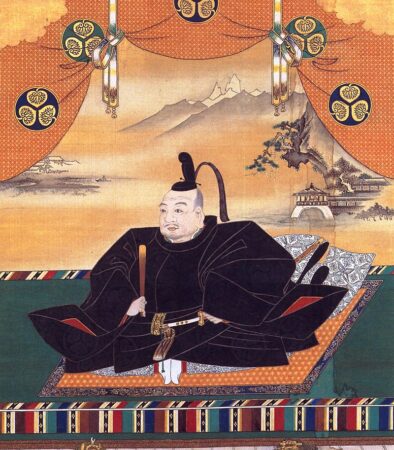
織田信長が古い常識を壊した「破壊のイノベーター」、豊臣秀吉が一代で天下を統一した「爆発力のあるカリスマ」なら、徳川家康は彼らのあとに政権を握り、「絶対に倒産しない最強の社会インフラ」を構築した持続可能性(サステナビリティ)の天才でした。 派手さこそありませんが、戦国大名たちが次々と滅亡していく中、最後に生き残り、長寿な組織の基盤を作ったのが家康なのです。。
織田・豊臣家のあとに、260年も続く江戸幕府を作った、家康のマネジメント能力は日本史上で断トツですね。その仕組みづくりの根底にあったのが、他人の意見を徹底的に『聞く』という姿勢でしょう。
徳川家康の最大の失敗:死にかけた「三方ヶ原の戦い」
完璧に見える家康ですが、実は若い頃に最大の敗戦を経験しています。それが、家康31歳の時の「三方ヶ原(みかたがはら)の戦い」です。 当時、血気盛んだった家康の前に立ちはだかったのは、戦国最強の武田信玄でした。
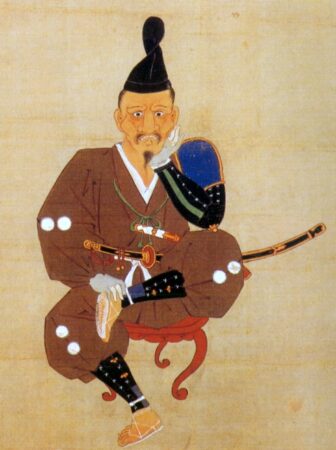
信玄率いる完璧な戦略を持った最強軍団が、家康の領土を素通りしようとした時、家康はプライドを刺激され、「自分の目の前を素通りさせるなど許せん!打って出るぞ!」と激怒します。 この時、経験豊富なベテラン重役(家臣たち)は必死に止めました。 信玄と衝突するのは無謀すぎます!ここは城に籠ってやり過ごすべきです!しかし、当時の家康は部下の耳の痛い意見(諫言)を無視して出陣。結果、武田軍の圧倒的な戦術の前にコテンパンにされ、大惨敗。多くの優秀な部下を失い、家康自身も命からがら逃げ出し、恐怖のあまり馬の上で脱糞したという、家康史上に残る大恥をかいたのです。
部下の『現場のやばいっていう声』を無視してプロジェクト強行する上司は周りにいませんか?家康のすごいところは、この大失敗のあと、悔しさに歪む自分のブサイクな顔を絵師に描かせたといいます。その絵を見て、自信を律する糧としたんですね。

徳川家康のリーダー性
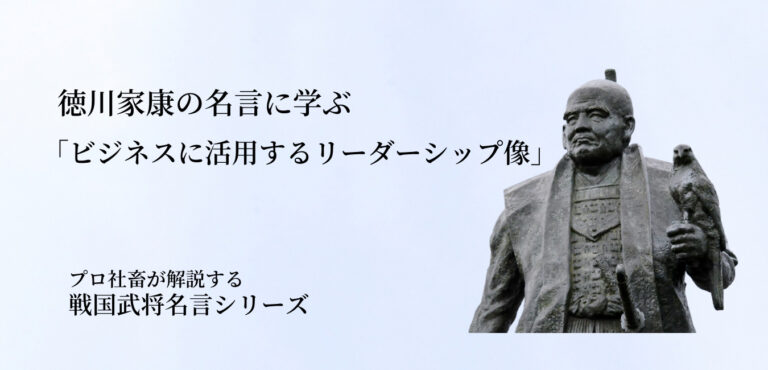
尾張の土豪衆出身の徳川家康がどのようにして天下を治めるまでに至ったのでしょうか?大きな要因として、徳川家康のリーダーシップが大きく影響しているでしょう。
リーダーシップとは?
一つの目標へ向かうように、集団をまとめ、導いていく能力のこと。
現代のビジネスにも必須の能力ですが、徳川家康にはどのようなリーダー性があったのでしょうか?有名なホトトギスの句から考えてみましょう。
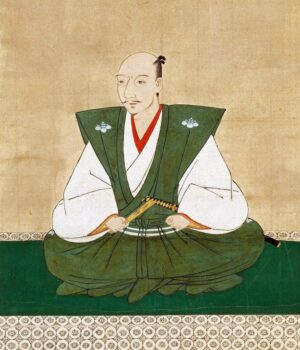
鳴かぬなら殺してしまえホトトギス
信長の短気な性格を表わしたとされる一句になります。気性が激しく、一つのミスでも切腹を命じるような信長は、尾張一国から天下布武を掲げその勢力を拡大しました。自分自身の独断によって、部下を率先して率いていく姿勢は、独裁型リーダーシップであったともいえるでしょう。
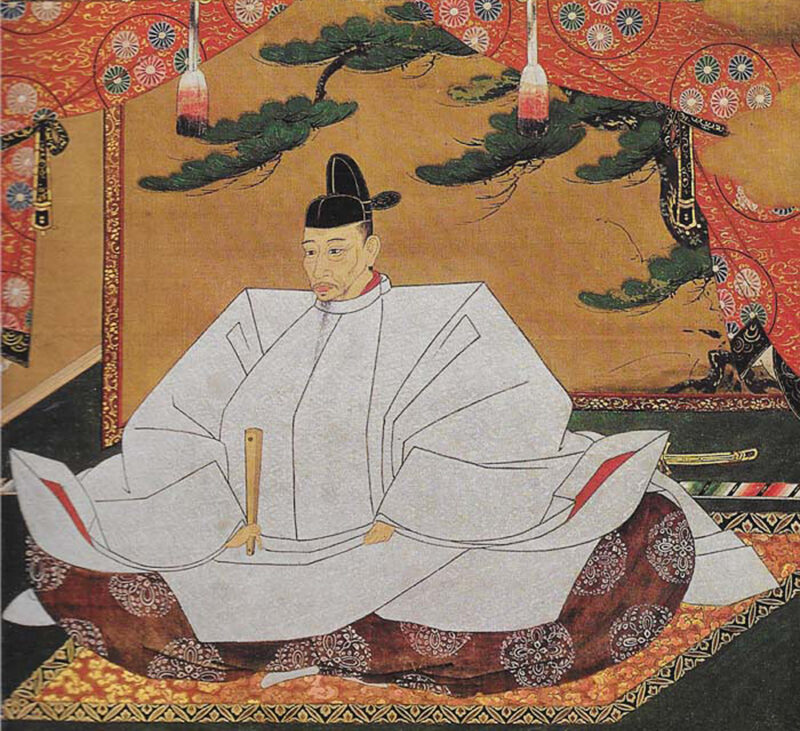
鳴かぬなら鳴かせてみせようホトトギス
秀吉は知略に長け、交渉術で天下人までのし上がった人物です。戦わずして勝つことを目的とした戦略は、信長も評価していたと言います。戦が起きると国力は低下しますが、交渉により相手方を屈服させる姿勢を取ることで、自身に丸め込む、関係重視型のリーダーシップであるでしょう。
徳川家康のリーダーシップ
では家康のリーダーシップを考えてみましょう。家康は家臣に重きを置いた民主型リーダーシップであったとも言えます。秀吉に従属した後の家康は関東移封となり、関東・北条家の旧領を治めるようになります。この際、徳川四天王と呼ばれる古参の部下には多くの知行を与えています。
主な知行
- 井伊直政 12万石
- 本田忠勝 10万石
- 榊原康政 10万石
自身の信頼はもちろん、多くの部下からも慕われていた彼らに知行を与えることで、組織としての均衡を保っていたと考えられます。自分の給料が部長よりも多かったら、何を目標に頑張ればよいかわかりませんよね。
民主型リーダーシップの大きな特徴は個々の意見を取り入れ、組織の意思決定とするところです。家臣である四天王に意見を投げかけ、合意を基に最後に意思決定を行うのが家康の役割です。今川家からの独立・伊賀越え、秀吉への臣従と大坂の陣などその決定の裏には家臣との意見交換があり、いずれも家臣の話に耳を傾けた結果が江戸幕府260余年につながっているといっても過言ではありません。
徳川家康の優秀な部下たち:家康を支えた四天王
家康には勇敢な家臣が多くいたとも言われますが、その中でも有名なのが徳川四天王です。
徳川四天王(とくがわしてんのう)は、徳川家康の側近として仕えて江戸幕府の樹立に功績を立てた酒井忠次・本多忠勝・榊原康政・井伊直政の4人の武将を顕彰した呼称。仏教の四天王に準えている。
引用元:Wikipedia
家康は「イエスマンばかりの組織は、トップが判断を誤った瞬間に全員道連れで死ぬ」という恐怖を戦において骨の髄まで理解しました。ここから、家康を支える優秀な部下たちのチームビルディングが始まります。
徳川四天王
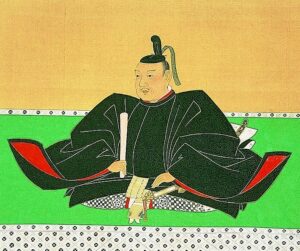
酒井忠次
徳川四天王・徳川十六将の筆頭ともされ、家康第一の功臣としても有名です。家康の竹千代時代からの家臣であり、人質として家康が今川家に居るころからも同行しています。信頼が最も厚い部下であったとも言われており、忠次を語るうえでかかせない「海老すくい」は彼の性格を表わすそのものでしょう。
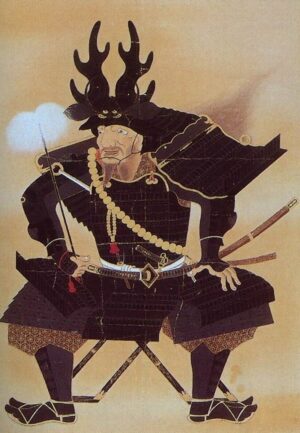
本田忠勝
徳川四天王・徳川十六将・徳川三傑にも数えられる、徳川家康随一の猛将として現代でも人気の武将です。その武勇は他の大名も惚れ込んだともいわれており、織田信長からも「花も実も兼ね備えた武将である」と褒めたたえています。忠勝は実戦で一度も傷を負わなかったともいわれていますが、武勇の他にも知略にも優れており、晩年は桑名藩の発展に寄与しました。
榊田康政
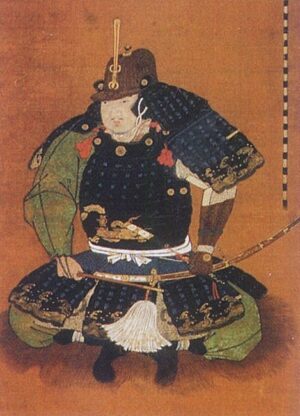
徳川四天王・徳川十六将・徳川三傑にも数えられる武将。幼いころから勉学を好み、その勤勉な姿を松平時代の家康に見いだされ、仕えることとなります。戦においては本田忠勝と先陣を組むなどをし、数多くの武功を挙げています。常に自らを律し、家康に忠誠を誓う姿勢と自分に厳しい人物であった事が、晩年の行いからもうかがえます。
井伊直政
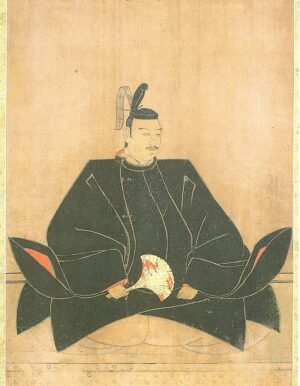
徳川二十八神将、徳川十六神将、徳川四天王に数えられる武将。「井伊の赤鬼」とも言われる、赤備えを率いて武功を挙げていきます。直政は政治的な手腕にも才があり、豊臣秀吉からも官位と豊臣姓を下賜しています。秀吉の死後、黒田如水(黒田官兵衛)・長政を盟約を結ぶことで、多くの豊臣家臣を引き入れることに成功したともいわれています。
家康は何よりも聞くことに長け、部下の話に耳を傾けたと言われています。優秀な部下たちは、そんな家康に為に、生涯尽力するのですね。家康の名言からリーダー像を考えてみましょう。
徳川家康の名言から学ぶリーダー像 耳の痛いフィードバックを愛する「リスクマネージャー」
多くの戦国大名が、部下に裏切られたり、ワンマン体制の末に後継者選びに失敗して滅んだりしました。そんな中で、家康が「最後の勝者」になれた真のリーダー像とは何だったのか。
それは、「トップ自らが心理安全性を担保し、耳の痛いフィードバックを歓迎するリスクマネージャー」としての姿です。 戦国時代、主君に口答えすることは、下手をすればその場で首をはねられる命がけの行為でした。現代でも、パワハラ上司に正論を言うのは出世コースから外されるリスクがありますよね。
しかし家康は、「いさめてくれる奴は一番槍より価値がある」と公言し、実際に反対意見を言った部下を怒るどころか「そこまで俺のことを考えて言ってくれたのか」と褒めて厚遇しました。 トップが「悪い報告や反対意見を歓迎する空気(心理的安全性)」を意図的に作り出したこと。これこそが、家康の持つ最大のリーダーシップだったのです。
ミスやトラブルが起きた時に『なんで早く言わなかったんだ!』ってキレる上司。部下が報告しなかったんじゃない、『悪い報告をしたらキレる空気』を作っていると誰も言えませんよね。家康は、悪い報告や反対意見を言った部下を『よくぞ言った!』って評価する仕組みを作ったから、部下も話をする空気になっていたのではと思いますよね。
組織の「裸の王様」を防ぐ、耳が痛いフィードバックの活かし方
この家康の「心理的安全性マネジメント」を、明日からのオフィスワークにどう落とし込むか。これをつなぐのが、組織と個人の生存戦略とも言えます。
NOを言った部下を評価する
会議で自分の意見に反対した部下に対して、「生意気だ」と思うのではなく、「リスクを事前に潰してくれた最高の味方」として、人事評価や言葉で感謝を伝える。
悪い報告ほど笑顔(または冷静)で聞く
部下から「トラブルが起きました」と言われた瞬間、1秒でも不機嫌な顔をしてはいけない。そこで「報告してくれてありがとう、すぐ対策を練ろう」と言えるかどうかが、家康への第一歩です。
代替案(データ)を持って突き進む
家康に諫言した家臣たちも、ただ感情的に反対したわけではありません。「今の状況で打って出れば、これだけの損失が出ます。だから今はこうすべきです」という根拠となる数字を持って挑みましょう。
『YES』しか言わない人材より、本当に市場価値が高いのは、会社の利益のためにリスクを恐れず『NO』が言える人材です。自分の身を守るためにも、上司の機嫌取りじゃなく、組織のブレーキ役になれる強さを培いましょう。
まとめ
老舗の企業やどれだけ急成長した組織でも、トップが孤立し、現場の「やばい」という声が届かなくなった瞬間に、三方ヶ原の家康のように一瞬で大爆死します。 「いさめてくれる部下は、一番槍をする勇士よりも値打ちがある。」 あなたの周りは、あなたの顔色を伺うイエスマンばかりになっていませんか? あるいはあなた自身が、上司の顔色を伺うだけのイエスマンになっていませんか? 過去の失敗を冷徹に見つめ、部下の厳しい声に耳を傾け続けたからこそ、徳川家康は最後の勝者になれました。明日オフィスに入るときは、お互いに「耳の痛い正論」を歓迎し合える、本当に強いチームの基盤を作りに行きましょう。 死んだ魚の目でイエスマンを続けるのは、今日で終わりにしようね。
Tokugawa Ieyasu’s Leadership Style
Are you just nodding along to everything your boss says, providing only “safe and pleasant” reports while waiting to punch out at 5:00 PM? “I know this project is on the brink of collapse, but if I say anything, they’ll just blow up at me. Better keep my mouth shut…” When this kind of toxic silence suffocates an organization, it doesn’t matter how many talented people you have in the room. That company is bound to face a massive scandal or a catastrophic failure one day, leading to a sudden bankruptcy. Tokugawa Ieyasu, the ultimate champion of the Sengoku (Warring States) period and the legendary founder who established the 260-year Edo Shogunate, left a powerful quote to prevent this kind of institutional blindness: **”A subordinate who corrects your mistakes is far more valuable than a heroic warrior who takes the first spear on the battlefield.”** The “first spear” (*Ichiban-yari*) represents your star executive—the high-performing employee who rushes to the frontlines to score immediate results. Yet, Ieyasu explicitly stated that a regular employee who risks their position to look the leader in the eye and say, “Sir, your decision is wrong,” is worth hundreds of times more to the organization. In this article, we’ll take a deep look at the devastating failure hidden behind this quote, the elite team that supported Ieyasu, and how modern organizations should immediately adopt the management theory of “Psychological Safety,” all analyzed from a professional corporate drone’s perspective!
Who Was Tokugawa Ieyasu?The Founder of the Edo Shogunate First, let’s look at the basics: Who exactly was Tokugawa Ieyasu? Ieyasu was the mastermind who established the Edo Shogunate. Alongside Oda Nobunaga and Toyotomi Hideyoshi, he is celebrated as one of the three great unifiers of Japan. Put simply, he was **”the man who ended nearly 150 years of brutal civil war and built a highly stable enterprise—the Edo Shogunate—which maintained peace for over 260 years.”** While Oda Nobunaga was a “disruptive innovator” who shattered outdated traditions, and Toyotomi Hideyoshi was a “charismatic CEO with explosive power” who unified the nation in a single generation, Tokugawa Ieyasu was a genius of sustainability. He took the reins after them and constructed an unbreakable, long-lasting social infrastructure. He may not have been flashy, but while other warlords went bankrupt one after another, Ieyasu outlasted everyone and built the foundation for a timeless organization.
Building a corporate empire like the Edo Shogunate that stayed profitable for 260 years makes Ieyasu’s management skills hands-down the best in Japanese history. The absolute core of his strategy was his unwavering willingness to deeply “listen” to other people’s opinions.
Ieyasu’s Greatest Failure: The Near-Fatal Battle of Mikatagahara Even a seemingly flawless leader like Ieyasu experienced a catastrophic failure in his youth. It happened when he was 31 years old, at the **Battle of Mikatagahara**. At the time, the young and hot-headed Ieyasu found himself facing Takeda Shingen, the most feared military strategist of the era. When Shingen’s perfectly organized army marched past Ieyasu’s territory, Ieyasu’s pride got the better of him. “How dare he pass right in front of me? Mobilize the entire team, we are going to fight!” he demanded in a rage. His experienced, veteran board of directors desperately tried to pull the emergency brake: “CEO, fighting Shingen right now is reckless! We must lock down our castle and ride out the storm!” However, Ieyasu ignored his frontline experts and marched out anyway. The result was a total liquidation. Facing Takeda’s superior tactics, Ieyasu’s army was completely crushed. He lost countless irreplaceable men, narrowly escaped with his life, and was allegedly so terrified that he lost control of his bowels on horseback—marking the most humiliating stain in his entire career. >
Do you have a manager around you who forces a project through while completely ignoring the frontline workers shouting “This is dangerous!”? The incredible thing about Ieyasu is what he did after this massive failure. He had an artist paint his terrified, twisted face (*the Shikami-zo* portrait) so he could look at it daily, humble his ego, and use it as fuel for self-discipline.
Tokugawa Ieyasu’s Leadership StyleHow did Tokugawa Ieyasu, who started as a minor regional warlord in Owari, rise to rule the entire nation? A massive factor was his unique brand of leadership.
What is Leadership? It is the ability to unite and guide a group toward a shared objective. While this skill is absolutely essential in modern business, what kind of leader was Tokugawa Ieyasu? Let’s analyze this through the famous poems written about the cuckoo (*Hototogisu*).
“If the cuckoo doesn’t sing, kill it.” This poem represents Oda Nobunaga’s short-tempered nature. Nobunaga was fierce and would demand a subordinate commit ritual suicide (*seppuku*) for a single mistake. He expanded his territory aggressively through sheer force. His style of leading from the front based purely on his own solo decisions can be described as **Autocratic Leadership**.
“If the cuckoo doesn’t sing, make it sing.” Toyotomi Hideyoshi was highly intelligent and rose to power through brilliant negotiation skills. His strategy focused on winning without unnecessary fighting—a trait that even Nobunaga highly praised. Warfare drains a nation’s strength, but Hideyoshi preferred to win people over through diplomatic persuasion, embodying a **Relationship-Oriented Leadership** style.
Tokugawa Ieyasu’s Leadership Style Now, let’s look at Ieyasu. His approach can be defined as a **Democratic Leadership** style that placed immense value on his subordinates. After submitting to Hideyoshi, Ieyasu was reassigned to the Kanto region, taking over the former territories of the Hojo clan. During this restructuring, he granted massive land estates (*Chigyo*) to his long-time executives, known as the Tokugawa Four. **Major Land Grants (Stipends):** * Ii Naomasa: 120,000 *koku* * Honda Tadakatsu: 100,000 *koku* * Sakakibara Yasumasa: 100,000 *koku* >
By giving substantial rewards to these leaders—who held his complete trust and were deeply respected by the workforce—Ieyasu maintained a perfect corporate balance. After all, if you found out your salary was higher than your director’s, you’d lose your motivation and goal alignment, right? The defining trait of Democratic Leadership is integrating individual perspectives into organizational decision-making. Ieyasu’s role was to throw ideas to his inner circle, gather consensus, and make the final call based on collective agreement. Whether it was gaining independence from the Imagawa clan, navigating the treacherous *Iga-goe* escape, submitting to Hideyoshi, or executing the Siege of Osaka—every major decision involved deep communication with his team. It is no exaggeration to say that his willingness to listen to his executives is exactly what enabled the Edo Shogunate to survive for over 260 years.
Tokugawa Ieyasu’s Elite Portfolio: The Four Heavenly Kings While Ieyasu had many brave warriors in his service, the most famous group was the **Tokugawa Four** (*Tokugawa Shitenno*).
**The Tokugawa Four** is a collective term honoring Sakai Tadatsugu, Honda Tadakatsu, Sakakibara Yasumasa, and Ii Naomasa. As Ieyasu’s closest advisors, they made monumental contributions to establishing the Edo Shogunate. The name is adapted from the Four Heavenly Kings of Buddhist mythology. *(Source: Wikipedia)
* Through the trauma of war, Ieyasu understood down to his bones that an organization full of yes-men is a death trap—the moment the leader makes a bad call, everyone goes down together. From this realization, his legendary team-building strategy began.
Sakai Tadatsugu Considered the leader of the Tokugawa Four and the Sixteen Divine Generals, he was Ieyasu’s most meritorious old-guard executive. Serving since Ieyasu’s childhood days, he stayed loyal even when Ieyasu was held hostage by the Imagawa clan. He held the absolute highest level of trust, and his famous “shrimp-scoop dance” (*Ebi-sukui*) perfectly captured his charismatic, morale-boosting personality.
Honda Tadakatsu Counted among the Tokugawa Four, Sixteen Divine Generals, and the Three Great Warlords, Tadatsugu remains highly popular today as Ieyasu’s premier combat powerhouse. His battlefield prowess amazed rival warlords; even Oda Nobunaga praised him as a “samurai who perfectly combines physical grace with true substance.” Amazingly, Tadatsu never sustained a single injury in battle, and in his later years, he utilized his sharp intellect to drive the economic development of the Kuwana Domain.
Sakakibara Yasumasa Another powerhouse belonging to the Tokugawa Four, Sixteen Generals, and Three Great Warlords. Passionate about academics from a young age, his diligence caught Ieyasu’s eye during the Matsudaira era. On the battlefield, he often spearheaded campaigns alongside Honda Tadakatsu, racking up numerous achievements. His rigorous self-discipline and unwavering loyalty to Ieyasu were deeply reflected in his actions until his final days.
Ii Naomasa Celebrated across the Tokugawa Twenty-Eight, Sixteen, and Four elite rankings. Known as the “Red Devil of the Ii” (*Ii no Akaoi*), he commanded the terrifying all-red elite vanguard units. Naomasa also possessed exceptional political and diplomatic skills, earning an official court rank and the prestigious Toyotomi surname from Hideyoshi himself. After Hideyoshi’s passing, he successfully brought many former Toyotomi loyalists into the Tokugawa camp by forging a strategic alliance with Kuroda Josui (Kanbei) and Nagamasa.
More than anything, Ieyasu’s superpower was his ability to listen and process feedback. Because he listened, these elite executives dedicated their entire lives to his vision. Let’s look at what an ideal leader looks like through Ieyasu’s philosophy.
Learning the Ideal Leader from Ieyasu’s Wisdom: The “Risk Manager” Who Welcomes Critical Feedback Many Sengoku warlords were betrayed by their own people (like Oda Nobunaga) or collapsed due to a lack of succession planning under a toxic one-man dictatorship. What made Ieyasu the ultimate winner? It was his identity as a **”Risk Manager who actively secures psychological safety and welcomes critical feedback.“** In the samurai world, talking back to your lord could get you executed on the spot. Even today, telling the brutal truth to a toxic boss can get you pushed off the fast track to promotion. Yet, Ieyasu openly announced that “a critic is worth more than a top performer,” and when subordinates fiercely opposed his ideas, he didn’t get angry—he rewarded them, saying, “I appreciate that you care enough about the firm to challenge me.” By intentionally creating a corporate culture where bad news and opposing views were welcomed (Psychological Safety), Ieyasu demonstrated the ultimate form of sustainable leadership.
We’ve all seen managers who yell, “Why didn’t you report this sooner?!” when a crisis hits. The truth is, the employee didn’t stay silent by choice—the manager created an environment where sharing bad news means getting screamed at. Because Ieyasu rewarded critics with a “Well said!”, his people felt completely safe to speak up.
Overcoming “CEO Blindness”: How to Utilize Critical Feedback in Your 9-to-5 How can we bring Ieyasu’s “Psychological Safety Management” into our modern workspaces? This serves as an essential survival strategy for both organizations and individuals.
Evaluate Subordinates Who Say “No” When a team member challenges your idea in a meeting, don’t view them as disrespectful. Treat them as a high-value asset who just saved the team from a costly mistake, and show your appreciation openly and in performance reviews.
Receive Bad News with a Calm Mind (or a Smile) The second an employee tells you, “We have a major problem,” you must not look visibly annoyed—not even for a single second. Being able to respond calmly with, “Thank you for bringing this to my attention, let’s look at the solutions together,” is your first step toward becoming an Ieyasu-level leader.
Push Forward with Alternative Solutions (Data) The executives who challenged Ieyasu didn’t just complain emotionally; they backed it up. When you challenge your manager, bring concrete figures and logic: “If we launch under these conditions, we project this specific loss. Therefore, we should pivot to this alternative plan.”
While “Yes-Men” might be comfortable to have around in the short term, the professionals who bring the highest market value are those who fearlessly say “No” to protect the organization’s long-term profits. For your own career survival, stop managing your boss’s ego and start building the strength to serve as the team’s strategic brake!
Conclusion Whether it’s a centuries-old corporate giant or a hyper-growth startup, the moment a leader isolates themselves and stops hearing the raw truths from the frontlines, the entire organization will face a sudden, catastrophic collapse—just like young Ieyasu did at Mikatagahara. “A subordinate who corrects your mistakes is far more valuable than a heroic warrior who takes the first spear on the battlefield.” Take a look around you tomorrow. Are you surrounded by yes-men who only tell you what you want to hear? Or have you turned yourself into a passive drone who only manages your boss’s mood? Ieyasu became the final victor because he had the emotional intelligence to reflect on his past failures and listen to the feedback that stung his pride. Let’s stop playing it safe as passive corporate foot soldiers, embrace the uncomfortable truths, and help build an unbreakable team!