現役プロ社畜が解説する、戦国武将の組織論シリーズ。 今回のテーマは、現代のビジネスパーソンにも強烈な教訓を与える、豊臣秀吉のマネジメントの本質についてです。
戦国時代最大の出世を遂げながらも、晩年に「最悪の組織崩壊」を招いた秀吉の言葉とガバナンス体制を、現代の組織論の視点から冷徹に紐解いていきましょう。
※当ページは一部にプロモーションを含みます
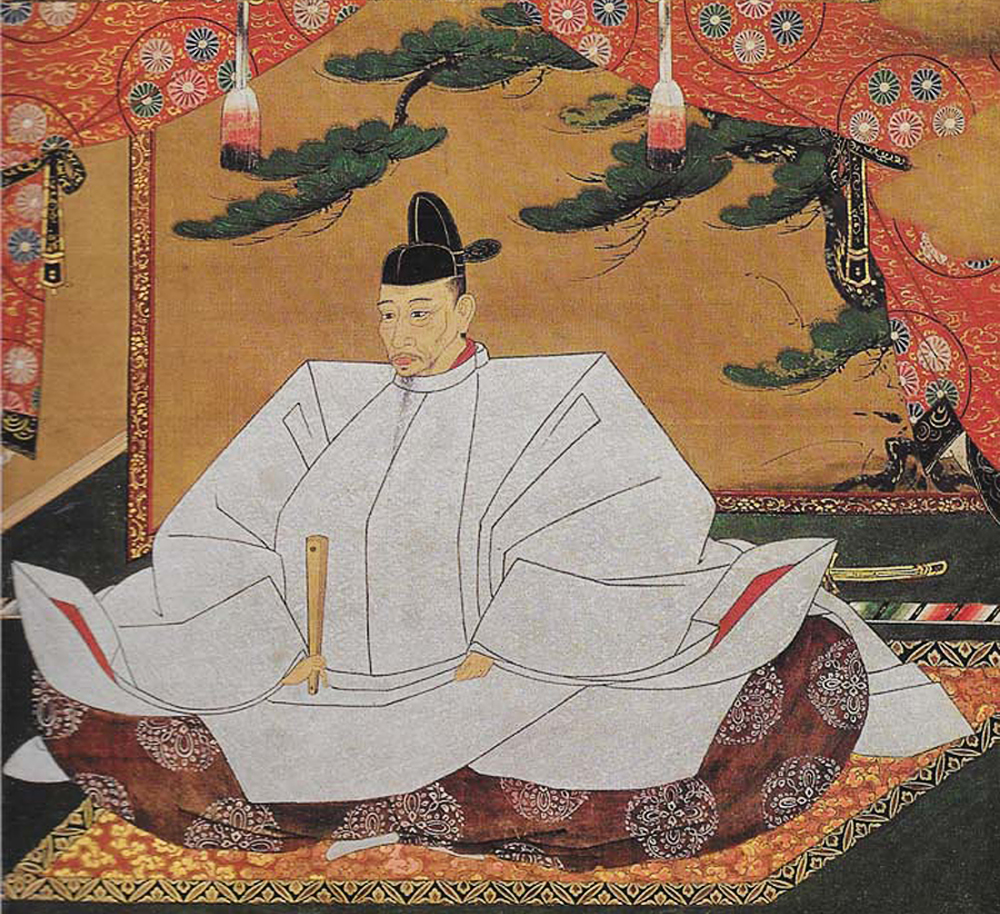
豊臣秀吉の名言
今回取り上げるのは、天下人となった秀吉が遺した、戦略の本質を突いた一言です。
「戦わずして勝ちを得るのは、良将の成すところである」
秀吉には、過去の記事で紹介した「一歩一歩、着実に積み重ねていけば、予想以上の結果が得られる」という、実直なプレイヤーとしての名言もあります。 しかし、そんな叩き上げの男が組織のトップに登りつめた途端、この言葉の意味は「スマートな戦略」から「組織を縛る絶対的な統制システム」へと変貌を遂げていきます。
豊臣秀吉の名言の意味:組織論的な解釈
最高権力者となった秀吉の足跡をビジネス視点で解釈すると、彼の「キャリアステージ」によって、この言葉の意味合いが180度変化していることが分かります。
信長の部下時代:消耗を避ける「生存戦略」
競合と正面から合戦をするのは、自軍のソリースを消耗するだけで下策である。事前の徹底的な根回しや調略によって、戦う前に勝負の趨勢を決めておくことこそが、最も知的な勝利であり、信長もその才を認め、自身の立場を確立していきました。
天下人時代:反逆を未然に防ぐ「ルールによる武装圧力」
天下人となった後は、各大名が「戦うという選択肢そのものを抱けないような絶対的な仕組み」を構築しました。天下惣無事令(てんかそうぶじれい)ともいえる法令は、大名同士の私的な戦を禁じるもの。圧倒的な武力の名のもとに、最も効率的に支配するガバナンスでもあります。
孫子の兵法にある「百戦百勝は善の善なる者に非ざるなり。戦わずして人の兵を屈するは、善の善なる者なり」という教えを、最もビジネスライクに実践したのが秀吉です。信長の家臣の時代には調略、天下人となってからは締め付けによって、戦わないシステムを構築したのです。

秀吉の政策:「戦う手段」を奪う徹底的な仕組み化
戦わずして勝つ。秀吉が行っていた政策にはどのようなものがあったのでしょうか
刀狩り(武器の没収 = 現場の裁量権の剥奪)
武士以外の身分から武器を取り上げ、一揆を予防。現代組織に置き換えるなら、「一般社員に余計なアレンジ(武器)は許さない。決められたマニュアルと業務プロセスの型だけで動け」と、反抗の芽を事前に摘んだ状態です。
太閤検地(単位の統一 = 逃げ場のないKPIの可視化)
全国の農地を統一された「升(ます)」で測り直し、年貢の徴収効率を最大化を図りました。現代でいえば、「地方支社ごとに曖昧だった独自の評価基準を廃止し、本社一括の絶対的な売上目標(KPI)で全員の成果を白日の下に晒す」という、冷徹な管理システムです。
キリシタン迫害(思想の統制 = 企業理念の絶対化)
当初は海外交易のメリットから容認していたキリスト教を、一転して禁止に。これは組織が巨大化した段階で、経営トップへの絶対的な思想統制(=社訓・企業理念への盲従)を求め、異分子を排除するフェーズへ移行したことを意味します。
秀吉の政策の基には兵農分離の考えが強く見ます。身分制度を強く進めることで、戦う気力や考えそのものを起こさせない、今回の名言にもある意味通ずる、絶対的な独裁者の発想があるのでしょう。
秀吉の組織図、ワンマン体制が遺した争いの火種
では、そんな絶対的権力者が最終的に行き着いた「豊臣政権の組織図」を見てみましょう。
一見、権力を分散させた近代的な合議制システムに見えますが、現代のビジネス視点で見れば「カリスマワンマン社長が、自分の死後に年端もいかない我が子へ権力を禅譲するために、急ごしらえで作った極めて脆弱な体制」であることが浮き彫りになります。
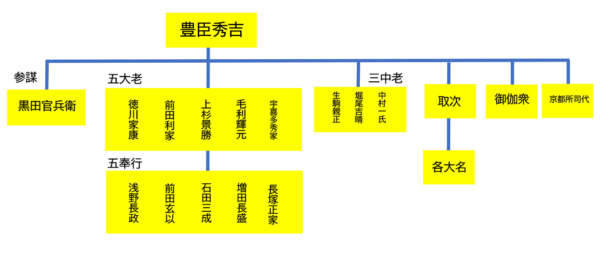
秀吉の組織には五大老と五奉行があり、合議制で政治を取り仕切る五大老。五奉行は秀吉の直属の部下として、政権の補佐をする役割を担っていました。この組織形態は後継者不足に悩み将来を案じた、秀吉の晩年になってのことです。各地の大大名を従えることで、自身の権力と幼い嫡男・秀頼の将来を五大老・五奉行に託すことになります。
ワンマン経営者がさんざん好き勝手した挙句、そろそろ危ないと年端もいかない孫(秀頼は息子)を後継者指名したような感じです。残されたものはこの会社やばくね?となりますよね?
五大老(ごたいろう) = 外部から参画した「有力な大株主・取締役」
豊臣政権下の大大名であり、顧問の役割。秀次切腹の後、不安定化した豊臣政権の安定を図るため、全国の諸大名や一般に発布された御掟の連名者です。徳川家康を筆頭とする、独立した巨大な基盤を持つ大物取締役たち。秀吉は自身の死後、幼い後継者(秀頼)が彼らに会社を乗っ取られないよう、相互監視を目的としてこの「合議制の重役会議」を設置しました。
徳川家康・・・関東地方250万石
前田利家・・・加賀国など83万石
上杉景勝・・・東北地方120万石
毛利輝元・・・中国地方112万石
宇喜多秀家・・・ 山陽地方57万石
五奉行(ごぶぎょう) = 生え抜きの「実務派・執行役員」
豊臣政権下において司法、宗教、行政、土木、財政の実務を担う役割。秀吉直属の家臣で構成されており、政治の決めごとは五大老と五奉行の合議制で執り行うことと決められていました。石田三成(行政・労務)をはじめとする、秀吉直属のエリート実務家たち。財務、司法、行政の実務を一手に引き受ける、現場叩き上げの最高執行責任者(COO)の集団です。
司法・・・浅野長政
宗教・・・前田玄以
行政・・・石田三成
土木・・・増田長盛
財政・・・長束正家

三中老(さんちゅうろう) = 紛争を回避するための「コンプライアンス・仲裁役」
政治に参加し、五大老と五奉行の意見が合わないときに仲介する役割でした。
生駒親正・・・織田信長美濃攻め以降、秀吉の家臣となっております。讃岐国12万石
堀尾吉晴・・・信長尾張統一以来の秀吉の家臣であり、備中高松城攻めなどにも参加。遠江国12万石
中村 一氏・・・山崎の戦いなどで功績を得る。駿河国14万石
取次(とりつぎ) ── 社長直属の「特命秘書室」
豊臣政権下において、秀吉から各大名への連絡取り次ぎの役割。服属の促進や政策指導など秀吉の側近としての役割も期待されて今ました。毛利氏に対する黒田官兵衛や北条・伊達に対しての徳川家康など、その状況下に合わせて任命されることが多かったようです。
御伽衆(おとぎしゅう) ── 経営トップの「権威付けのためのシニア顧問」
秀吉のそばで雑談等の話し相手を努める役柄。元将軍義昭などかつての目上の者も多く、従えることで秀吉自身の権威を示すものでもあったともいいます。
- 織田有楽斎
- 織田常真(信雄)
- 昌山道休(足利義昭)
- 佐々成政
- 山名豊国 など
参謀(さんぼう) ── 経営ビジョンを最適化する「最高のエースプレイヤー」
軍の指揮官が用兵・作戦などの計画を立て、これを実行するにあたり、実効的に補佐をする役割。
黒田官兵衛は秀吉軍を実効的に支配しており、秀吉を天下人に押し上げた人物です
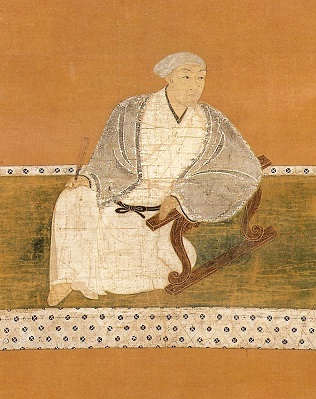
秀吉の数々の戦に従軍し、数々の進言と後押しをした人物です。
天下取りのきっかけとなった中国大返しも官兵衛の進言と言われています。官兵衛は中国古典にも精通しており、前出した孫子の兵法なども熟知していたものと思われます。
秀吉亡き後は五奉行内での確執が表面化し、関ケ原の合戦につながっていきます。家康その秀吉の失敗を糧に、長期政権を確立していくこととなります。
優秀なプレイヤーが「最悪のワンマン経営者」に変わる時
若き日の秀吉は、現場の泥にまみれ、誰よりも現場の気持ちがわかるコミュニケーションの天才(プレイヤー)でした。しかし、頂点に立った晩年の彼は、誰のことも信用できず、自身の保身と身内への執着のために組織を私物化する「最悪のワンマン経営者」へと成り下がってしまいました。
この悲劇的な変貌は、現代のスタートアップや一時代を築いた創業者にも見られる、典型的な「負のループ」と完全に一致します。
「自分の成功体験」への盲信と、参謀の排除
「この組織をここまで大きくしたのは俺だ」という絶対的な自信が、老いとともに過剰なプライドへと変わります。かつては官兵衛のようなキレ者の正論に耳を傾けていた秀吉が、晩年は無理な海外出兵(朝鮮出兵)を強行し、諌める優秀な部下を遠ざけたように、ワンマン化が進むと周囲はイエスマンだけで埋め尽くされていきます。
「孤独」ゆえの公私混同と、ガバナンスの私物化
秀頼が生まれた途端、秀吉の頭から豊臣家の永続という公の視点が消え去り、「どうやって我が子にこの地位を無事に引き継ぐか」という超個人的な終活にすべての制度を歪めました。現代でも、創業社長が引き際をこじらせ、生え抜きの役員を冷遇して親族への事業承継を強行するケースと完全に同義です。
周囲の「諦め」と、面従腹背の恐怖政治
トップがあまりにも絶対的で恐ろしい存在になると、役員会(五大老・五奉行)は心から従うのをやめ、「この老害社長が退くのを、波風立てずに待とう」という冷徹な計算(面従腹背)に切り替えます。表面上は「仰せの通りに」と頭を下げながら、裏では虎視眈々とクーデターの準備を進めるようになるのです。
現場発のカリスマだった社長が、老いるにつれて孤独のモンスターになり、実務経験ゼロの幼児を後継者に指名して「あとは合議制で頼む!」と丸投げして逝った状態です。残された現場(執行役員)と外部の大株主からすれば、組織の崩壊と派閥闘争のゴングが鳴り響いた瞬間でしかありません。

システムへの過信が生んだ豊臣政権の崩壊と内部分裂
秀吉の死後、彼が遺した「合議制」という美しきシステムは瞬く間に機能不全に陥ります。
規律と実務を重んじる冷徹な実務派(石田三成ら五奉行)と、圧倒的な資本力で天下の乗っ取りを画策する徳川家康。この両者の深刻な確執が、現代でいう「大型クーデターおよび会社分裂(=関ヶ原の戦い)」へと直結しました。 結局、家康は秀吉の「個人のカリスマに依存し、制度設計の甘かった組織構造」を徹底的に反面教師にすることで、260年もの間ビクともしない強固な長期安定政権(江戸幕府)を確立することになりました。
現代のビジネスシーンにおけるこの名言の教訓
- 「競合が参入できない独自のポジションを築き、不必要な価格競争を回避しましょう。これこそが『戦わずして勝ちを得る』という優れた戦略です」
- (裏の教訓として) 「トップがどれほど綺麗事の理念を掲げても、その保身や私欲によって設計された組織図は必ず内部分裂を起こす。経営陣の派閥闘争に巻き込まれる前に、自らの身の振り方を冷静に見極めるべきだ」
まとめ:言葉の「発信源」を見極める大人の賢さ
今回は秀吉の「戦わずして勝ちを得るのは、良将の成すところである」という言葉を、その歪な組織構造とともに考察しました。
信長という巨大なトップの下で、一介の師団長として動いていた時代には、この言葉は「自己の消耗を抑え、最大の成果を出すためのスマートな生存戦略」でした。 しかし、自らが最高権力者となるや否や、それは「他者の裁量を奪い、都合よく縛り付けるための独裁の道具」へと変質し、最期は孤独ゆえの私欲によって組織を大崩壊へと導きました。
私たちは、経営者や上司が語る名言をただ美談として受け取るのではなく、「その言葉が、組織のどのような力学(ステージ)から発せられているか」を冷徹に見極める必要があります。言葉の表面的な美しさに惑わされず、その裏にある構造を読み解くことこそが、組織の荒波に巻き込まれない「賢いビジネスパーソン」への第一歩なのです。
それではみなさま、今日も他人のワンマンな意思決定に振り回されることのない、戦略的でスマートなビジネスライフを!
Learning from Toyotomi Hideyoshi’s Quote “Winning Without Fighting”: The Tragic Fate of a Distorted Org Chart
Welcome back to our series on corporate organizational theory through the lens of Sengoku period warlords, written by an active professional corporate drone .
Today’s theme focuses on the essence of Toyotomi Hideyoshi’s management style—a topic that offers powerful, sobering lessons for modern business professionals. Despite achieving the greatest career advancement in the Sengoku period, Hideyoshi’s later years triggered the ultimate organizational collapse. Let us dispassionately dissect his words and governance model using modern organizational theory.
This page contains promotional content.
Toyotomi Hideyoshi’s Famous Quote
Today, we look at a profound statement left by Hideyoshi after he became the supreme ruler of Japan—one that pierces right to the core of strategic essence:
“To win without fighting is the hallmark of an excellent general.”
Hideyoshi also left behind a grounded, pragmatic player-level quote introduced in a previous article: “If you build up step-by-step, steadily, you will achieve results far beyond your expectations.”
However, the moment this self-made man climbed to the absolute top of the organization, the meaning of “winning without fighting” transformed from a smart business strategy into an absolute, suffocating control system designed to bind the entire organization.
The Organizational Interpretation of Hideyoshi’s Quote
When we analyze Hideyoshi’s trajectory from a business perspective, we can see that the meaning of this quote shifts by 180 degrees depending on his career stage.
The Subordinate Era under Nobunaga: A “Survival Strategy” to Prevent Burnout
Engaging in head-on battles with competitors is a foolish strategy that merely drains your company’s resources. True, intellectual victory means laying thorough groundwork and executing strategic alliances (maneuvers/調略) beforehand to decide the outcome before the actual fight even begins. Oda Nobunaga highly recognized Hideyoshi’s genius for diplomacy and internal alignment, allowing Hideyoshi to solidify an unshakeable position within the company (the Oda clan).
The Ruler Era: “Armed Pressure via Rules” to Preemptively Prevent Rebellion
Once he became the supreme ruler (CEO/Owner), Hideyoshi established an absolute system where local branch managers (the daimyos) couldn’t even entertain the option of fighting back. The prime example of this was the Tenka Sōbujirei (Edict of Universal Peace), a decree banning private wars among daimyos. Far from being a pure rule born out of a desire for peace, this was a cold-blooded governance policy backed by overwhelming corporate headquarters military power to completely paralyze the independent actions of regional branches.
Hideyoshi put the teachings of Sun Tzu’s The Art of War—“To win one hundred victories in one hundred battles is not the acme of skill. To subdue the enemy without fighting is the acme of skill”—into practice in the most business-like way possible. As Nobunaga’s vassal, he used alignment and negotiation; as the ultimate ruler, he used regulatory tightening. He engineered a system where he would always win.
Hideyoshi’s Policies: Complete Systematization to Strip Away the “Means to Fight”
“Winning without fighting.” The primary policies Hideyoshi unleashed after unifying the country mirror modern corporate environments characterized by rigid employment regulations and management systems that completely strip away individual discretion.
Sword Hunt / Katanagari (Confiscation of Weapons = Stripping Away Frontline Autonomy)
By confiscating weapons from anyone outside the warrior class, Hideyoshi preemptively eliminated the threat of grassroots uprisings. In a modern corporate context, this equates to saying: “Ordinary employees are not allowed to improvise or try rogue solutions. Operate strictly within the established manuals and workflow templates.” It effectively nips rebellion in the bud.
Taiko Land Survey / Taikō Kenchi (Standardization of Metrics = Visualizing Unescapable KPIs)
Hideyoshi remeasured agricultural land nationwide using a standardized measuring cup (masu) to maximize tax collection efficiency. In modern corporate terms, this means abolishing vague, localized performance metrics used by regional branches and implementing a unified, head-office KPI system that exposes everyone’s actual performance to the harsh light of day.
Persecution of Christians (Ideological Control = Making Corporate Philosophy Absolute)
Hideyoshi initially tolerated Christianity due to the lucrative benefits of foreign trade, but suddenly reversed his stance and banned it. This reflects a phase in a ballooning organization where the supreme leader demands absolute ideological alignment (blind obedience to the company creed and mission statement) and systematically purges any outliers.
The ultimate destination of these policies was the Heinō Bunri (the permanent separation of warriors and peasants). By freezing social mobility and locking classes into place, he ensured that workers lacked the energy or mental capacity to question leadership. This is the ultimate mindset of a dictator executing a strategy to “win without fighting.”
Hideyoshi’s Org Chart: The Fragile Governance Left by a One-Man CEO’s “End-of-Life Planning”
Let us look at the final organizational chart of the Toyotomi Shogunate established by this absolute ruler. At a glance, it looks like a modern corporate governance structure with decentralized authority and a committee system.
However, through a modern business lens, it exposes a fragile, hastily assembled structure built by a charismatic, one-man CEO desperate to hand over supreme power to his toddler son after his own death.
Deconstructing Roles via Modern Corporate Governance
◆ Godairō (The Five Elders) = Powerful Major Shareholders & External Board Members
These were the ultra-powerful daimyos within the Toyotomi regime serving as the supreme advisory council. Following the forced suicide of Hideyoshi’s nephew Hidegetsu, they became co-signers of the On-okite (Grand Decrees) issued nationwide to stabilize the fragile regime. Led by Tokugawa Ieyasu (controlling a massive 2.5 million koku in Kanto), this board consisted of massive external heavyweights like Maeda Toshiie (830k koku), Uesugi Kagekatsu (1.2 million koku), Mōri Terumoto (1.12 million koku), and Ukita Hideie (570k koku). Fearing that these corporate raiders would hijack the company from his young heir Hideyori after his death, Hideyoshi set up this executive council to force mutual surveillance.
◆ Gobugyō (The Five Commissioners) = Internal Operational Executives (C-Level)
This was a group of Chief Operating Officers (COOs) who managed the day-to-day operations and administrative execution across the Toyotomi regime’s directly controlled lands. Policy decisions were meant to be handled via a consensus system between the Five Elders and Five Commissioners, with the latter consisting of brilliant, elite internal vassals directly loyal to Hideyoshi.
- 【Legal (CLO)】Asano Nagamasa: Controls legal frameworks and document compliance.
- 【Religious/Cultural (CHO)】Maeda Geni: Manages court diplomacy, internal ideology, and corporate culture.
- 【Administrative/HR】Ishida Mitsunari: Handles the execution of land surveys and overall corporate logistics.
- 【Civil Engineering/Infrastructure】Mashita Nagamori: Manages infrastructure development and field survey operations.
- 【Finance (CFO)】Natsuka Masaie: Manages budgets and tax revenues using peerless mathematical skills.
◆ Sanchūrō (The Three Middle Arbitrators) = Compliance & Mediation Committee
This internal mediation board stepped in to break deadlocks whenever the major shareholders (Five Elders) and internal executives (Five Commissioners) clashed, threatening to freeze corporate decision-making. It was staffed by trusted, highly reliable veteran executives who had supported Hideyoshi since the Nobunaga era and achieved countless operational merits, such as Ikoma Chikamasa (120k koku), Horio Yoshiharu (120k koku), and Nakamura Kazuuji (140k koku).
◆ Toritsugi (Liaisons) = The CEO’s Special Secretariat
The exclusive channel for routing communications from Hideyoshi to the various daimyos (regional branches). Far from being mere messengers, they were a critical inner circle expected to drive corporate alignment and guide local policies. Depending on the situation and counterpart, high-profile figures were appointed as special envoys, such as Kuroda Kanbei for the Mōri clan, or Tokugawa Ieyasu for the Hōjō and Date clans.
◆ Otogishū (The Attendants) = Senior Advisory Board for Executive Prestige
A unique circle tasked with keeping the CEO company and engaging in casual discussion. It included individuals who used to hold a higher social standing than Hideyoshi before his rise, such as Oda Urakusai, Oda Nobukatsu, and even the former Shogun Ashita Yoshiaki (Shōzan Dōkyū), along with Sasa Narimasa and Yamana Toyokuni. Keeping these formerly powerful elites as his personal sounding board was a calculated corporate power move, showcasing to the world: “Look at the prestige of our company—even the former CEOs and industry giants answer to me now.”
◆ Sanbō (The Strategist) = The Ace Performer Optimizing Corporate Vision
The elite right-hand role tasked with effectively assisting military commanders to draft and execute strategic plans. Kuroda Kanbei, who backed the Toyotomi army from the shadows and propelled Hideyoshi to absolute power, is the textbook definition of this role. The “Chūgoku Ōgaeshi” (the legendary rapid military retreat), which served as Hideyoshi’s catalyst for seizing the nation, is said to have been proposed by Kanbei. Deeply versed in classical literature and intimately familiar with Sun Tzu’s The Art of War, Kanbei possessed a brilliant mind capable of translating Hideyoshi’s abstract visions into precise, executable operational tasks.
Think of a charismatic founder who runs a company entirely as a personal playground, and then, realizing his retirement is near, appoints his toddler son (Hideyori) with zero work experience as the next CEO, telling the board: “Alright guys, I’m out, just run things via a committee!” From the perspective of the working executives and major external stakeholders, this is nothing less than the sounding gong for corporate implosion and an all-out boardroom war.
When an Elite Player Transforms into the “Worst One-Man CEO”
In his youth, Hideyoshi was a master of communication—a stellar frontline player who rolled up his sleeves, got muddy, and understood the hearts and minds of the workers better than anyone. Yet, once he reached the summit, his later years turned him into a paranoid, isolated tyrant who could trust no one, eventually weaponizing and corrupting organizational systems solely for personal preservation and familial obsession.
This tragic transformation perfectly mirrors the destructive cycle seen in modern startups and iconic founders who stay past their expiration date.
1. Blind Faith in One’s “Past Success” and the Purge of Strategists
The absolute confidence of “I built this company from nothing with my own two hands” warps into toxic pride with age. In his younger years, Hideyoshi valued the razor-sharp, unfiltered truths coming from minds like Kanbei. In his twilight years, however, he forced disastrous overseas campaigns (the invasions of Korea) and pushed away any brilliant subordinates who dared to voice concern. When a leader goes full rogue, the executive suite inevitably fills up with yes-men.
2. Isolated Public-Private Blurring and the Weaponization of Governance
The moment his biological son Hideyori was born, Hideyoshi completely lost the macro vision of “preserving the longevity of the Toyotomi Group.” Instead, he twisted every policy and rule into a highly personal vehicle for his own end-of-life planning: ensuring his toddler would inherit the throne. This is identical to a modern founding CEO who refuses to retire gracefully, alienates veteran executives who built the company, and forces a nepotistic succession plan to install an unqualified family member.
3. Employee Resignation and the Reign of Terror (Malicious Compliance)
When a top leader becomes an unapproachable, terrifying monster, the board (the Five Elders and Five Commissioners) stops genuinely trying to align with him. Instead, they pivot to cold, calculated malicious compliance: “Let’s just nod along, avoid rocking the boat, and wait for this toxic old man to finally step down or pass away.” While bowing deeply and saying “Yes, Boss, whatever you say,” they are quietly preparing their exit strategies and plotting a boardroom coup.
The Collapse: Overestimating the System and the Corporate Schism
Following Hideyoshi’s death, the elegant “committee system” he left behind instantly suffered catastrophic operational failure.
Almost immediately, deep-seated animosities erupted between the internal executives and the external board. The rigid, process-driven operations crowd (led by Ishida Mitsunari and the Five Commissioners) clashed violently with the ultra-powerful corporate raider looking to execute a hostile takeover (Tokugawa Ieyasu of the Five Elders). This structural friction led directly to what we would call today a massive corporate schism and an all-out boardroom coup—the Battle of Sekigahara.
Ultimately, Ieyasu carefully studied Hideyoshi’s failure—noting the fatal flaw of building a structure over-reliant on personal charisma with weak systemic design—and used it as a negative example. By doing so, Ieyasu established a highly resilient corporate model (the Tokugawa Shogunate) that stood completely unshakeable for over 260 years.
“Carve out a unique market position where competitors cannot easily follow, avoiding unnecessary price wars. This is the true execution of ‘winning without fighting.'”
“No matter how beautiful or noble a leader’s corporate philosophy sounds, an organizational chart designed around executive insecurity and personal greed will always trigger an internal schism. Recognize corporate factional warfare early, and dispassionately secure your own position before the implosion occurs.”
Conclusion: Developing the Maturity to Read the “Source” of Corporate Words
Today, we analyzed Hideyoshi’s maxim, “To win without fighting is the hallmark of an excellent general,” alongside his deeply flawed organizational design.
When he operated as a mid-level project manager under the massive umbrella of a CEO like Nobunaga, this phrase represented an incredibly smart survival strategy: minimizing personal burnout while delivering maximum ROI. However, the moment he grabbed the absolute reins of power, that same philosophy inverted into a tool of absolute tyranny designed to strip autonomy from others and lock them into submission. In the end, his own isolated vanity brought down the entire empire.
As smart professionals, we must never accept executive platitudes or historical quotes at face value. We need to look closer and ask: “From what structural reality or lifecycle stage is this leader speaking?” Piercing through the corporate jargon and decoding the underlying power dynamics is your very first step toward becoming a truly resilient professional who never gets swept away by organizational turbulence.
Wishing you all an analytical, highly strategic, and smart business week—completely free from the whims of a volatile, one-man executive!