毎日、振られたタスクを淡々とこなし、マニュアル通りの業務を繰り返して一日を終える……。 安定しているようでいて、ふと「自分はただの会社のコマとして消費されているだけではないか」と、焦りや危機感を覚えることはないでしょうか。 今回は、日本史における最大のイノベーターである織田信長が残したとされる、ビジネスの本質を突いた名言をピックアップします。信長が残したこの冷酷かつ本質的なメッセージを紐解きながら、現代の過酷なビジネス社会を生き抜くための「プロ社畜流のキャリアサバイバル論」を解説していきます。
※当ページは一部にプロモーションを含みます
織田信長が「与えられた仕事だけやるのは雑兵」と断じた理由
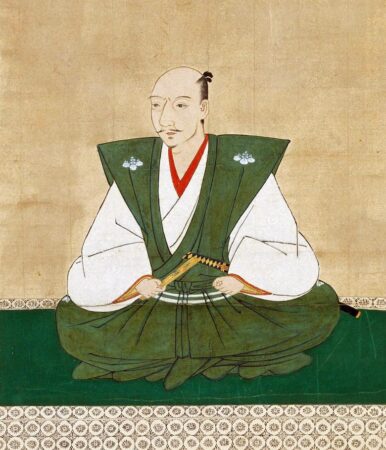
戦国時代における「雑兵(ぞうひょう)」とは、いわゆる下級の足軽や兵卒のことです。彼らの役割は、大将から命令された通りに槍を構え、言われた方向へ進むことだけでした。自分で戦略を立てる必要がないため楽ですが、手柄を立てて出世できるのはごく一部です。
信長は、組織の全員が指示待ちの「雑兵」になることを嫌いました。
だからこそ、身分が低くても「自分で考えて新しい価値(仕事)を創り出した」豊臣秀吉(木下藤吉郎)のような人材を大抜擢し、重用したのです。
信長が最強の武将たり得たのは、周囲が思いつきもしなかった鉄砲の集団運用や、兵農分離、楽市楽座といった「新しい仕組み(仕事)」を自ら創り出し続けたからです。
これを現代のビジネス、特に会社員としてのキャリアに置き換えると、耳が痛いほど重要な教訓が見えてきます。
【キャリアの悩み】現代のオフィスに溢れる「指示待ち雑兵化」の罠
現代のビジネス社会でも、気づかないうちに「雑兵」のような働き方に陥っている会社員は少なくありません。プロ社畜の視点から、特に注意すべき3つの罠を挙げます。
1. 「マニュアル通りの作業」に安心してしまう罠
上司から言われた通りの資料を作り、決められたルーティンをこなす。失敗はしませんが、それは「誰でも代わりが利く仕事」です。 信長の言う通り、与えられた仕事だけをこなしている状態は、厳しい言い方をすれば組織の「足軽」に過ぎません。その働き方を続けていると、年齢を重ねた時に「指示されないと動けない人材」になってしまいます。
2. 「前例がない」と自ら変化を止める組織の弊害
社内で「もっとこうすれば効率が上がるのに」と思っても、「前例がないから」「余計な仕事をしなくていい」と周囲に止められ、諦めてしまうことはないでしょうか。 しかし、信長が評価したのは「現状維持を守る人」ではなく、「リスクを取って新しい一手を提案する人」です。組織の事なかれ主義に染まって、自ら仕事を創る牙を抜かれてはいけません。
3. 会社の看板を自分の実力と勘違いするリスク
大企業の「仕組み」の中で、与えられた役割を完璧にこなしていると、自分の実力が上がった錯覚に陥ります。しかし、一歩会社の外に出た時、あなた自身の力でゼロから売上や価値(仕事)を創り出せるでしょうか。 人生の時間は有限です。会社のシステムに乗っかるだけでなく、どこでも通用する「仕事をゼロから創り出す戦闘力」を磨く必要があります。
これら3つの罠から抜け出して「雑兵」を卒業するために、現代の私たちがやるべきこと。それはズバリ自分主導で「PDCAを回す」ことではないでしょうか?では、具体的に明日からオフィスの戦場でどう動けばいいのか?信長流の具体的なハック術を考えてみましょう!
明日から実践できる「信長流・仕事創出術」3選
私たちが現代の戦場で生き残り、会社の都合に振り回されない「個人の市場価値」を高めるための具体的なアクションプランを考えてみましょう。
① 目の前の「不満や非効率」から新しい仕事を創る
ゼロから大きなビジネスを創る必要はありません。「この社内業務、無駄が多いな」「この資料、もっと分かりやすく自動化できるな」という身近な不満を解消する提案や仕組み作りこそが、最初の「仕事を創る」一歩です。
② 「上司の視点(大将の視点)」で業務を眺めてみる
雑兵から抜け出す最も確実な方法は、視点を上げることです。「もし自分が課長(大将)なら、今のチームに何を仕掛けるか?」と考えて動くことで、指示される前に先回りした「新しい仕事」が見えてきます。
③ 会社を利用して「自分の実験」を繰り返す
会社の予算やリソースは「自分のスキルアップの実験場」として賢く使いましょう。新しいツールを試す、新しいプロジェクトに手を挙げるなど、会社の看板を使って「仕事を創る練習」を積むのです。
織田信長の功績・戦場を支配した圧倒的な「実績」
戦国三英傑の中でもトップクラスの人気を誇る織田信長。彼がなぜ現代でも「最強のイノベーター」として語り継がれるのか、まずはその圧倒的な戦闘・政治面の功績から振り返ってみましょう。
まず、戦闘の面では
- 尾張国の平定 父信秀でも成し遂げられなかった、戦乱続きの尾張国を熾烈な家督争いの末に完全統一。
- 桶狭間の戦い 圧倒的圧倒的多数を誇る駿河の今川義元を、奇襲作戦によって見事に討ち取る。
- 足利義昭の擁立と上洛 時の将軍をプロデュースして京都へ進出。中央政界の主導権を握る軍を擁立し、上洛を果たす
- 一向一揆の鎮圧 組織の最大の障壁となっていた各地の宗教勢力(一揆)を徹底的に鎮圧。

織田家は尾張の一族ですが、ルーツは福井県や平家にあるとも言われていますよね。泥沼の家督相続を勝ち抜いた直後に、あの「桶狭間の戦い」という大金星を挙げるドラマ性……!信長の勢力拡大と「天下布武」への進撃は、まさに天に愛された政治力と軍事力の結晶ですね。
織田信長の戦における勢力拡大と、天下布武の勢いは、まさに天に愛されているかのような功績でした。その裏側には信長の軍勢の強さと信長自身の政治力があったのでしょう。目新しいものを積極的に取り入れ、策略的に皆を取りまとめる姿があったのです。
織田信長のビジネス論①|最強組織を作った「4つの大改革」
天下布武を掲げた信長がなぜこれほど強かったのか。その裏には、現代の最先端ビジネスモデルにも通じる「発展的な経営戦略」がありました。
兵農分離政策による「プロフェッショナル集団」の育成
戦国時代、ほとんどの軍隊は「平時は農家、戦時は兵士」というアマチュアの寄せ集めでした。そのため、農繁期(田植えや稲刈りの時期)には戦ができないという致命的な弱点があったのです。
これに対し信長は、「農業をしない、戦うことだけが仕事のプロ兵士(専業武士)」を雇い、自身の城下に住まわせました。これにより、365日いつでも高度な訓練を積んだ最強の常備軍が完成したのです。

普通は戦をすると農民が駆り出されて国力が落ちる(農業が疎かになる)んですよね。寄せ集めの兵じゃチームワークもバラバラ。信長が作った「完全プロフェッショナル化」の仕組みは、その後の日本の常識をひっくり返す大改革でした!
楽市・楽座の実施による「経済の規制緩和」
当時、商売を独占していたのは「座」と呼ばれる特権階級の組合(公家や寺社に賄賂を払って利権を守る組織)でした。これでは新規参入が生まれず、一部の既得権益者しか潤いません。
そこで信長は、美濃や近江・安土などの領土で「楽市楽座」を断行。誰でも自由に、ノー税金で商売ができるように規制をぶっ壊しました。さらに、流通の邪魔になる「関所」や「関税」も撤廃。結果、日本中から優秀なビジネスマン(商人)が集まり、国が爆発的に豊かになりました。
戦後の復興や軍資金の調達には、莫大なキャッシュが必要です。「まずは商売を活発にさせて、国全体の財布を潤す」という経済ファーストな政策は、現代の先進国の成長戦略そのものですね!どこかの政治家に聞かせてやりたいですね。
最新テクノロジー「鉄砲」の常識破りな実戦導入
信長の戦術で最も有名なのが、長篠の戦いにおける「火縄銃の三段撃ち」です。当時最強と恐れられた武田の騎馬隊を、テクノロジーの力で文字通り粉砕しました。
当時の火縄銃は、1発撃ってから次の弾を込めるまでに時間がかかり、実戦では「使い物にならない」と言われていた代物。しかし信長は、大坂・堺の港をいち早く押さえることで、豊富な資金力をバックに「3,000丁」という圧倒的な物量を調達。チームでリレー式に撃ち続けるシステム(仕組み化)で弱点を克服したのです。
これぞ現代ビジネスでも超重要とされる「ランチェスターの戦略・二次法則(圧倒的な物量とテクノロジーで勝つ法則)」の見事な実例です!まだ誰も理論化していない時代に、直感と実行力でこれをやってのけるのが信長の凄みですね。 >

成長に合わせた「本拠地のスピード移転(ピボット)」
信長は尾張(愛知)の武将ですが、自分の勢力(会社規模)が大きくなるにつれて、那古野城 ➔ 清州城 ➔ 小牧山城 ➔ 岐阜城 ➔ 安土城 と、次々に本拠地を移転させていきました。
あえて元々は敵地だった場所にオフィス(居城)を構えることで、現地の民に「俺たちが新しいリーダーだ」と信用させ、さらに物流と情報が最も集まる重要拠点(安土)を押さえることで、日本各地の攻略スピードを爆発的に引き上げたのです。
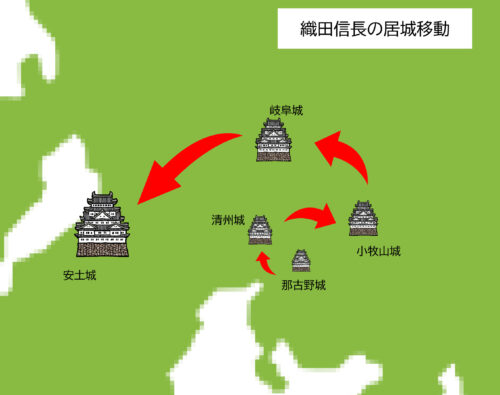
信長が領地を拠点にして人が集まった結果、商売が盛んになり、民の不平不満は少なくなります。さらに、安土は北陸方面や堺・京などの交通が交わる重要地です。この地に構えることで、天下布武を掲げ、日本各地を攻略していた信長軍からの情報や、人員の交流を活発にする働きも見込めました。
組織の規模やフェーズに合わせて、那古野から清州へと最適な居城へ引っ越しているのが分かりますね。もし本能寺の変がなかったら、安土の次はどこに本社を移すつもりだったんでしょうか?巨大な港を持つ「堺」あたりかな……?
織田信長のビジネス論②「与えられた仕事だけをやるのは雑兵だ」
さて、ここからが今回の本題です。信長が残したとされる強烈なキャリア論。
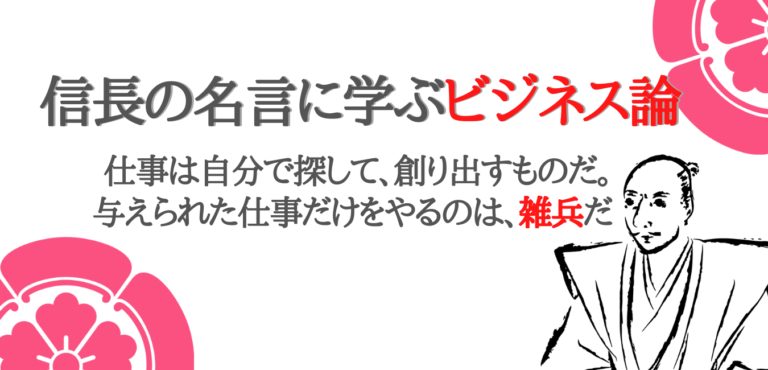
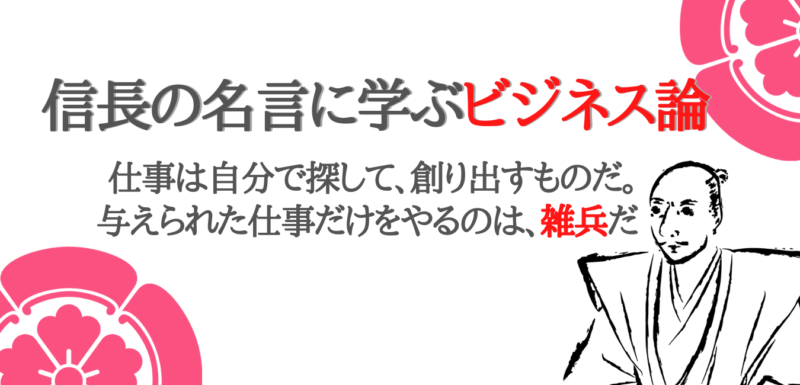
「仕事は自分で探して、創り出すものだ。与えられた仕事だけをやるのは、雑兵だ。」
この厳しい言葉の背景には、当時の織田軍におけるどのような「組織戦略」があったのでしょうか。現代のビジネスパーソンが盗むべきエッセンスを解説します。
過去の成功事例を徹底的にパクる「柔軟な応用力」
実は、信長が行った大改革(楽市楽座など)の多くは、信長がゼロから考えたものではありません。近江の六角氏など、他の大名が先に行っていた前例があります。
信長の強さは、他社の成功事例を「これは使える」と見抜くや否や、プライドを捨てて誰よりも徹底的にパクり、最速でPDCAを回したことにあります。
現代のビジネスでも、「ゼロから天才的なアイデアをひらめく」必要はありません。身近な業務の「不満や非効率」を見つけ、他部署や他社の優れたやり方を真似して仕組みを改善する。これこそが、信長の言う「自分で仕事を創り出す」第一歩です。
「適所適材」で指示待ち人間を生まない組織図
天下布武を掲げる信長の前には、一筋縄ではいかない強力な大名たちがひしめいていました。
現代のようにスマホもチャットもない時代、現場のリーダーたちが「1から10まで大将(信長)の指示を待つ雑兵」ばかりだったら、変化の激しい戦場では一瞬で足元をすくわれます。だからこそ信長は、自分で考え、自分で仕事を創って成果を出せる自立型の人材を求めたのです。
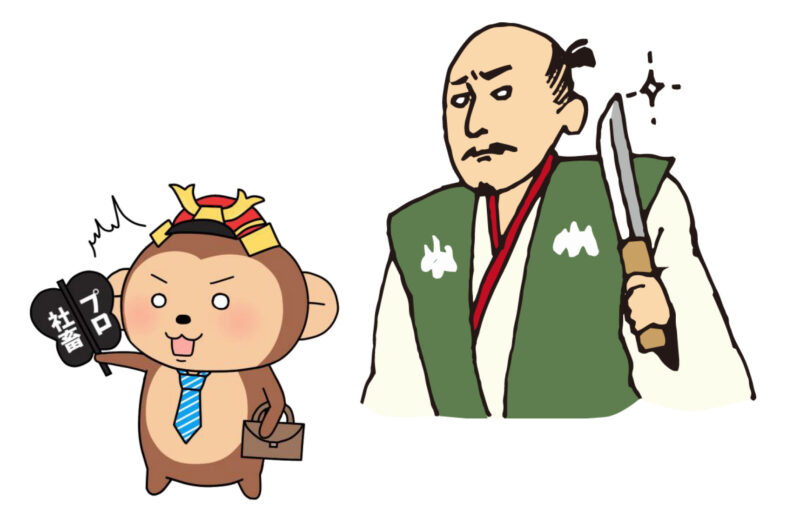
信長は適材適所ならぬ適所適材として、それらの大名に見合った人材を派遣し成果を上げています。信長の人材登用術には目を見張るものがあり、そのプロジェクト(適所)に対して最も強みを発揮できる人材(適材)を配置する「適所適材」の天才でもありました。
交渉話術や人たらしの才能に長けた秀吉は、巨大勢力である毛利対策として中国方面へ。圧倒的な武力と統率力に優れた柴田勝家は、最強の宿敵・上杉対策として北陸方面へ……。それぞれの適性を見極めた信長の組織図は、現代の優秀な経営者の配置転換そのものです。
人を見極める天才・信長が作った最強の組織図については、こちらの記事で詳しく解説しています!
この名言の具体的な使い方(部下・後輩へのアドバイス編)
毎日のルーティンワークに埋もれ、「仕事に対して閉塞感がある」「モチベーションが保てない」と悩んでいる部下や後輩がいたら、ぜひこの言葉をベースに声をかけてあげてください。
「言われたタスクをこなすだけの『雑兵(指示待ち)』で終わったらもったいないよ。自分のやり方で仕組みを創り出してみなさい。自分で考えて動いた結果の失敗なら、俺がいくらでもケツを拭くから」
モチベーションを常に高く保ち続けるのは難しいこと。だからこそ、「自分の意志で仕事をハックしていいんだよ、変えていいんだよ」という励ましの意味を込めて、悩んでいる部下や後輩へ使ってあげてほしい名言ですね!
まとめ|信長マインドを胸に、今日も素敵な社畜ライフを!
今回は、織田信長の名言「仕事は自分で創り出すものだ。与えられた仕事だけやるのは雑兵だ」を解説しました。
1560年の桶狭間の戦いから、わずか15年ほどで実質的な天下人まで駆け上がった織田信長。その驚異的なスピードの裏には、家臣たちを指示待ちの雑兵にせず、「自分で考えて動くプロフェッショナル集団」へと変革させた天性の人材マネジメント、そして徹底的な実利主義(ビジネス脳)がありました。
会社から与えられたタスクをただこなすだけの「足軽」で終わるか。それとも、主体的に動いて自分の市場価値を高める「武将」になるか。
現代にも通ずるこの信長の名言を胸に、会社のシステムを賢くハックしながら、今日も素敵な社畜ライフを送りましょう!
Samurai Wisdom for Business
“Create your own work. Those who only do what they are told are nothing but common soldiers (Zohyo).” — By Oda Nobunaga (The Legendary Samurai Warlord)
In modern business, if you only follow company manuals and routines, you are building the company’s system, not your own career value. To escape the “order-taker” trap, you must drive your own PDCA cycle. Look at your current routine, find the flaws, and proactively implement a better solution. Don’t be a foot soldier—be a corporate warrior.
Achievements of Oda Nobunaga: The Power of Absolute Results Oda Nobunaga is one of the most popular samurai in Japanese history. Why is he still celebrated as the ultimate “disruptive innovator”? Let’s review his incredible military and political achievements. * **Unification of Owari**: He completely unified his war-torn home province (modern-day Aichi) after winning a fierce family succession battle. * **The Battle of Okehazama**: Against overwhelming odds, he defeated and killed the powerful warlord Imagawa Yoshimoto in a brilliant surprise attack. * **Marching on Kyoto**: By supporting the Shogun Ashikaga Yoshiaki, he entered Kyoto and took control of central Japanese politics. * **Suppressing Rebellions**: He thoroughly neutralized the religious insurgencies (Ikko-Ikki) that threatened his new order. >
The Oda clan originated in Owari, but their roots are said to go back to Fukui and the Heike clan. Winning that brutal internal corporate warfare (succession battle) and immediately following it up with the massive victory at Okehazama is pure drama! Nobunaga’s expansion and his vision of “Tenka Fubu” (Unification of the Realm) were the perfect blend of political genius and military might.
Nobunaga’s Business Philosophy ①: 4 Massive Reforms That Built the Strongest Organization Why was Nobunaga’s army so unstoppable? The secret lies in his advanced management strategies, which mirror modern cutting-edge business models.
1. “Hei-No-Bunri” (Separation of Soldiers and Farmers): Building a Professional Fleet In the Samurai era, most armies were made up of part-time amateurs: farmers who fought only when needed. This meant armies couldn’t fight during busy farming seasons. Nobunaga changed everything by hiring **full-time, professional soldiers** who did nothing but train and fight, housing them right inside his castle town. This gave him a highly trained, 365-day standing army. A great example is **Maeda Toshiie**, one of Nobunaga’s oldest retainers. Starting as a hot-headed warrior known as “Yari no Mataza” (Mataza the Spearman), he climbed the corporate ladder in Nobunaga’s elite vanguard unit, eventually becoming a massive warlord ruling Kaga Million Koku. >
Normally, going to war meant losing your farming workforce and draining the country’s wealth. Amateur soldiers also lacked teamwork. Nobunaga’s shift to a 100% professional workforce was a massive reform that flipped the old common sense on its head!
2. “Rakuichi-Rakuza”: Deregulation of the Marketplace Back then, trade was monopolized by “Za” (exclusive merchant guilds that paid bribes to nobles and temples to protect their privileges). This killed competition. Nobunaga boldly declared “Rakuichi-Rakuza” in his territories, allowing anyone to do business freely and tax-free. He also abolished toll barriers and tariffs that blocked transportation. As a result, top-tier business minds (merchants) flocked to his towns, and the economy exploded. >
Rebuilding after a war and funding a massive military requires serious cash. A “growth-first” strategy that stimulates trade to enrich the entire economy is exactly how modern developed nations build wealth!
3. Practical Introduction of Firearms (The Ultimate Tech-Stack) :Nobunaga’s most famous tactic was the use of firearms in the Battle of Nagashino, where he crushed the legendary Takeda cavalry using technology. At the time, matchlock muskets were considered useless in real combat because they took too long to reload. However, Nobunaga secured the major trading port of Sakai, used his massive financial backing to purchase **3,000 muskets**, and created a rotating, relay-style firing system (automation) to eliminate the tech’s weakness. >
This is a textbook example of **Lanchester’s Strategy (The Second Law: Winning through overwhelming mass and technology)**! Doing this through pure intuition and execution before the theory was even invented is what makes Nobunaga a genius.
4. Rapid Relocation of Headquarters (The Corporate Pivot): As his company (empire) grew, Nobunaga constantly relocated his headquarters: from Nagoya Castle to Kiyosu, Komakiyama, Gifu, and finally Azuchi Castle. By moving his office directly into former enemy territory, he showed the locals he was the new leader. By securing Azuchi—the ultimate hub for transport, information, and trade—he exponentially accelerated his conquest of Japan. >
You can clearly see him moving his headquarters to the most strategic location depending on the company’s current growth phase. If the Honno-ji incident hadn’t happened, where would he have moved next? Maybe Sakai, with its massive international port…?
Nobunaga’s Business Philosophy ②: “Those Who Only Do What They Are Told Are Common Soldiers” Now, let’s get to the core of Nobunaga’s brutal career advice: > **”Create your own work. Those who only do what they are told are nothing but common soldiers (Zohyo).”** What was the organizational strategy behind these harsh words? Let’s break down the golden nuggets modern professionals can steal.
Steal the Best Practices: The Power of Adaptability In reality, many of Nobunaga’s big reforms (like Rakuichi-Rakuza) were not invented by him. Other warlords had tried them on a smaller scale. Nobunaga’s true strength was his **ability to recognize what works, drop his ego, thoroughly steal the best practices, and run the PDCA cycle at lightning speed**. In modern business, you don’t need to reinvent the wheel. Finding small frustrations or inefficiencies in your daily work and copying a better method from another department or company is the first step to “creating your own work.”
“The Right Person in the Right Place” to Eliminate the Order-Taker Mindset Nobunaga was surrounded by powerful rivals. In an era without smartphones or instant messaging, if his frontline managers were just passive “common soldiers” waiting for orders, his organization would have been crushed instantly. He needed self-starters who could think and create results on the fly. He was a master of placing the exact right talent into the exact right project based on their specific strengths. >
He sent Hideyoshi, a master negotiator and charmer, to handle the massive Mori clan in the West. He sent Shibata Katsuie, a man of pure military might, to face the unstoppable Uesugi clan in the North. Matching talent to the specific project is exactly how top CEOs manage corporate restructuring today.
Monkey’s Strategy Bridge:
Escape the Order-Taker Trap How do we escape the traps of comfort, bureaucracy, and relying on the company brand? The answer is simple: **You must drive your own PDCA cycle.** If you just follow the plan (Plan) given by your boss and do the work (Do), you are a common soldier. Instead, question the routine, find the flaws (Check), and proactively implement a better solution (Action). The moment you start running this cycle yourself, you stop being a passive foot soldier and become a business warrior creating your own work. Now, let’s look at how you can apply this samurai hack in your office tomorrow!
💬 How to Use This Quote (For Managers and Mentors) If you have a junior colleague or subordinate who is stuck in a routine and losing motivation, use this philosophy to encourage them: > *”Don’t settle for being a common soldier who just checks off a to-do list. Take ownership. Try creating your own workflow or a more efficient system using your own style. If it fails, I’ve got your back. The experience of stepping up to the plate is what builds your market value.”* >
Keeping your motivation high is tough when work feels repetitive. Telling a junior colleague, “You have the power to hack and change your own work,” is the ultimate empowering advice.
Conclusion: Embrace Your Inner Samurai and Have a Great Corporate Life! From the Battle of Okehazama in 1560, it took Oda Nobunaga only about 15 years to become the de facto ruler of Japan. Behind that historic speed was a brilliant business mind and a talent management system that transformed passive workers into a powerhouse elite of self-starters. Will you remain a passive foot soldier doing what you’re told, or will you become a corporate warrior who creates value and builds massive market value? Keep Nobunaga’s words in your heart, smartly leverage your company’s systems, and let’s enjoy another great day in our corporate lives!