


事なかれ主義の空気が蔓延した組織は、時代の変化に取り残され、ある日突然、競合にマウントを取られてあっけなく市場から退場することになります。 現場でリスクを取って戦うビジネスパーソンも、チームを率いるマネージャーも、今こそ絶対に知っておくべき「組織と人材評価のバイブル」があります。
それが、激戦の戦国サバイバルを生き抜き、猛者揃いの薩摩武士を率いた島津家17代当主・島津義弘の遺した、通称「薩摩の教え(男の順序)」です。 これは現代の従業員教育や企業理念、ひいてはGoogleが提唱する「心理的安全性」のマネジメントにもそのまま活用されている最強の人材評価軸。 今回は、この名言を、現場のプレイヤー視点と、マネージャー視点の双方から、プロ社畜の視点で徹底解説します!
※当ページは一部にプロモーションを含みます
薩摩藩とは? 最強の武士集団の源流
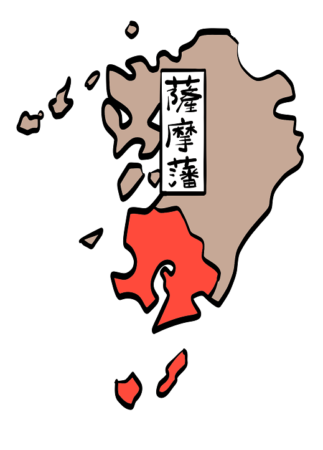
そもそも「薩摩藩」とは、現在の鹿児島県や宮崎県、沖縄県の一部を有した外様大藩であり、幕末の明治維新でも日本を大きく動かした重要な藩です。
現代でも「薩摩隼人(さつまはやと)」という言葉で知られているように、圧倒的な戦闘力と、命を賭して前へ進む強靭なメンタルを持った武士集団として恐れられていました。なぜ彼らはこれほどまでに強かったのか?
その圧倒的な強さの源流こそが、今回ご紹介する島津義弘の教えにあるのです。
では、この義弘が遺した薩摩の教えとはどのような教えでしょう
薩摩の五箇条・現代ビジネスに突き刺さる「薩摩の教え・男の順序」
薩摩の教えでは、組織における「評価されるべき人間の優先順位」を5つの段階で明確に示しています。あなたの会社の人事評価、そしてあなた自身の働き方を当てはめながら読んでみてください。

何かに挑戦し、成功した者
「最も評価されるべきは、リスクを取って打って出て挑戦し、見事に成果を挙げた人間である」
現代のビジネスにおいても、結果を残す者が主役なのは言うまでもありません。しかし、本当に価値があるのは「結果」そのもの以上に、「リスクを恐れずに挑戦した」というプロセスです。
難しい課題にチャレンジし、成功という体験を掴み取った人には、誰も奪うことのできない「生きた経験」と「自信」が備わります。このプラスの循環こそが、人材を大きく成長させる糧となります。
人への思いやりを忘れずに結果を残す、そのような者こそ、最も評価される人材であると言えるでしょう。
何かに挑戦し、失敗した者
「次に評価されるべきは、果敢に挑戦した結果、敗れた人間である。彼らを責めてはならない」
ここが薩摩の教えの最も素晴らしいところです!一生懸命に全力を尽くした結果の失敗を、誰も責める権利はありません。
「失敗=悪」とする減点方式の組織では、誰も新しい提案をしなくなります。大切なのは、失敗から何を学び、現場へどうフィードバックするか。「諦めたらそこで試合終了」です。失敗の痛みに涙を流し、そこから立ち上がって再挑戦するビジネスパーソンこそ、前出の成功者に勝るとも劣らない価値があります。
失敗から立ち上がるごとに、強くなっていけると信じています。そんな懸命な人材を評価したいと思いますね。
自らは挑戦しなかったが、挑戦した人を手助けした者
「自分の得意・不得意を見極め、挑戦者を全力でサポートした人間も、高く評価されるべきである」
誰もが打席に立ってホームランを打つ主役(プレイヤー)になる必要はありません。会社という組織には、それぞれの役割があります。
挑戦に伴う不安を理解し、黒子(バックオフィスやアシスタント)に徹してチームの成果を支える「フォロワーシップ」は、組織に不可欠な能力です。こうした縁の下の力持ちをすくい上げて正当に評価できる社内仕組みを作ることこそ、マネージャーの腕の見せ所です。
このような柔軟性を持ち合わせた人材を評価できる、社内の仕組みを構築していきたいですね。
何もしなかった者
「新しい物事に挑戦する思考を持たず、ただ傍観していた者は評価に値しない」
毎日会社に来て、言われたルーティンワークをただこなすだけ。それ自体は悪いことではありませんが、思考を止めて「自分自身の可能性」に限界値を設定してしまっている状態です。
「変化しないこと自体が最大のリスク」となる現代の激しいビジネス社会において、傍観者の立場で現状維持に甘んじる人材を高く評価するほど、今の社会に余裕はありません。
何もせず、批判ばかりしている者
「最も愚かなのは、自分は何もリスクを取らず、挑戦する人の足を引っ張り、悪口を言うだけの人間である」
自身が結果を出すわけでもなく、助力するわけでもなく、傍観者でも無い、このような者はどのように利益を出しているのでしょうか?
あなたの周りにもいませんか? 会議の席で自分からは一切アイデアを出さないくせに、他人の企画に対して「それ、前やって失敗したよね」「売上あがる根拠はあるの?」と、もっともらしい正論でケチばかりつける『評論家おじさん(仮)』。 彼らは利益を生まないどころか、周囲のモチベーションを爆下げする「組織にとってのマイナス存在」です。挑戦をあざ笑う文化を生み出す前に、リーダーは迅速に対処(イエローカードを提示)しなければなりません。
他者への悪影響を与える前に、迅速に対処するべきです。

ご自身の会社にあてはめてみてはいかがですか?最悪なのは批判バカリするものになることです。 そしてマネージャーの皆さん、あなたのチームの評価制度は、本当に失敗した挑戦者や優秀なサポーターを、傍観者より高く評価できていますか?ここを間違えると、優秀な人間から順番に会社を辞めていきます。
現代を生きる「薩摩の教え」5つの行動指針
薩摩の教えは現在のビジネスにも大いに学ぶことがあり、この島津義弘の哲学を現代のビジネスに落とし込むと、私たちが明日から意識すべき5つのコア・バリューが見えてきます。
- 目標志向性重視:高い目標を設定し、達成に向けてコミットする。
- リーダーシップの重要性:上司・部下関係なく、自己研鑽を通じて周囲を引っ張る。
- 組織全体の意識統一:「勝つために何をするか」という目的意識を全員で共有する。
- 自己研鑽の重要性:個人のスキルのアップデートが、巡り巡って組織の発展に繋がる。
- 信念の重要性:批判に負けず、正しいと思ったビジネスの信念を貫き通す。
薩摩の教えは、薩摩藩士が実践したリーダーシップや経営哲学であり、その中心的な考え方は「我々は勝つために生まれてきた」というものです。目的意識を持ち、強い意志を持って目標に向かって努力することが重要であるということを示しています。
薩摩のDNAを受け継いだ幕末の偉人たち
薩摩藩にはこの教えを基に、歴史に名を遺した偉人が多く、その活躍を言い伝えられています
島津斉彬の名言
「国中の者が豊かに暮らすことができれば、人は自然とまとまる。人の和はどんな城郭よりも勝る」
西郷隆盛らの才能を見出し、育て上げた幕末の名君。富国強兵を進め、外国の新しい技術や概念を先進的に取り入れ続けた彼は、藩主というトップの立場でありながら、「誰よりも新しい可能性へ挑戦し続けた男」でした。
西郷隆盛の名言
「己を尽くして人を咎めず。我が誠の足らざるを常にたずぬるべし。我を愛する心を以って人を愛せ。自己を許すが如く人を許せ。人を責めるが如く自己を責めよ」
幕末の志士、西郷隆盛の言葉です。
常に自分のベストを尽くし、他人には愛を持って接し、自分を厳しく戒める。失敗した他者を責めず、己の誠実さを問い直すという西郷の器の大きさの根幹には、「挑戦した者を責めるな」という薩摩の教えが息づいています。
大久保利通の名言
為政清明(いせいせいめい)
政治のために明るく清らかに、、
大久保利通が残したこの言葉は、現代の政治家の多くもこの言葉を用いる事があります。「政治を行う者は、常に明るく清らかでなければならない」という利通の座右の銘。国のため、民のためにひたむきに突き進む彼の姿勢は、まさに組織の目的意識を統一するための強い信念を表しています。
誰が為、何のための政治なのでしょう。現代にも利通の精神を以て政治に挑まれている政治家の先生方もたくさんおられるのでしょうね。
批判ばかりの「口だけ社員」を撲滅する(対処する)方法
薩摩の教えが説く最下位の存在、つまり「自分は動かないくせに他人の批判ばかりする人」。こうした人材を放置しておくと、せっかくの「挑戦する人」や「失敗から学ぶ人」が育とうとしても、その芽がすべて摘まれてしまいます。
では、現代のビジネスにおいて、私たちはこの「批判文化」にどう立ち向かうべき(撲滅すべき)なのでしょうか?
ポイントは、根性論ではなく「仕組み」で縛ることです。
会議のルールに「批判するときは必ず代替案(データ)をセットで出すこと」を追加する
「それ無理じゃない?」というだけの批判は一切禁止にし、必ず「代わりにこうすべき」という対案をセットで出させるルールにします。これだけで、口だけ社員は何も言えなくなります。
「打席に立った回数(挑戦の数)」を評価項目に組み込む
どれだけ無難に減点ゼロで過ごしても、挑戦の数がゼロなら評価されない仕組みを作ります。傍観者や批判者がのさばれない評価制度へのシフトが必要です。 トップが「批判するだけの傍観者」を許さず、「不器用でも挑戦する人」を徹底的に守る空気を作ること。これこそが、現代における『撲滅』であり、最強の武士集団を作った島津義弘の教えを現代に活かす究極の方法なのです。

島津義弘の教えが藩の教訓となり、後の明治維新につながる様に、組織風土・慣習はリーダーや社長そのものが指針になります。つまり、批判が蔓延したり、堕落した組織は口だけ社員が悪いのではなく、トップそのものの行動の表れとなるのかもしれません。強いトップダウンで改革が必要です。
まとめ:魚の死んだ目で働くイエスマンを、今日で卒業しよう
今回は薩摩の教えを取り上げてみました
老舗の大企業であれ、急成長中のスタートアップであれ、組織が崩壊に向かう予兆はいつも同じです。それは、批判ばかりする者がのさばり、挑戦して失敗した者が吊し上げられ、結果として全員が何もしない傍観者(イエスマン)になっていくことです。 これは、徳川家康の心理的安全性(いさめてくれる部下の価値)の重要性とも100%シンクロしますね。
現代の評価制度の礎でもあるこの教えは、これから時代が移ろうとも変わることなく、語り継がれていくことでしょう。今一度自身の考えをこの教えに当てはめ身を奮わせていきたいように思いますね。
The Satsuma Teachings: A Samurai Hierarchy for Modern Business Success
When a culture of “playing it safe” takes root in an organization, it gets left behind by the changing times. One day, you wake up to find your company being outmaneuvered by competitors, heading toward a sudden and inevitable exit from the market.
For professionals fighting on the front lines and managers leading their teams, there is an “Old Testament” of organizational and personnel evaluation that you absolutely need to know.
It comes from the 17th head of the Shimazu clan, Shimazu Yoshihiro, who survived the brutal survival game of the Sengoku (Warring States) period and led the fearsome Satsuma samurai. It is known as the “Satsuma Teachings (The Order of Men).”
This philosophy is not just history—it is a powerful evaluation framework that applies to modern employee development, corporate values, and the concept of “Psychological Safety” championed by Google. In this article, I will break down this philosophy from the perspective of a “Pro-Salaryman,” covering both the player’s and the manager’s viewpoints.
※This page contains promotional content.
Table of Contents
- The Satsuma Clan: The Origins of the Ultimate Samurai Group
- The “Satsuma Order”: A Hierarchy of Worth for Modern Business
- 5 Actionable Values from Satsuma for Today’s Professionals
- Historical Greats who Inherited the Satsuma DNA
- Conclusion: Stop Living Like a Soulless Yes-Man
The “Satsuma Domain” was a powerful, independent fiefdom comprising parts of modern-day Kagoshima, Miyazaki, and Okinawa. It played a pivotal role in the Meiji Restoration, shaking the foundations of Japan.
Known even today as the “Satsuma-hayato,” these warriors were feared as an elite group possessing overwhelming combat power and a resilient spirit that enabled them to face death without flinching. Why were they so strong? The origin of that strength lies in the teachings left behind by Shimazu Yoshihiro.
So, what exactly are these “Satsuma Teachings”?
The Satsuma Teachings clearly define the priority of “who deserves the highest evaluation” in an organization through five distinct levels. Read this and compare it against your company’s current evaluation system—and your own work ethic.
1. The Challenger who Succeeds
“The most deserving of evaluation is the person who takes risks, steps up to the plate, and achieves tangible results.”
In modern business, it goes without saying that those who deliver results are the stars. However, what is truly valuable is not just the “result” itself, but the process of “taking risks without fear.” Those who challenge difficult problems and gain the experience of success acquire “living experience” and “self-confidence” that no one can take away. This positive cycle is the food that helps a person grow into a great asset. The one who delivers results while maintaining empathy for others is the most valuable talent of all.
2. The Challenger who Fails
“The next most deserving of evaluation is the person who fought boldly but failed. They must not be blamed.”
This is the most brilliant part of the Satsuma Teachings! No one has the right to blame someone who gave their absolute all and failed. In an organization based on a “deduction system” (punishing errors), no one will ever offer new ideas. What matters is what you learn from failure and how you feed it back to the team. “It’s game over only when you quit.” Business professionals who shed tears of frustration over a failure but stand up to challenge themselves again have a value that rivals those who succeeded. I believe that every time you stand back up from failure, you become stronger. I want to value such dedicated talent.
3. The Supporter who Didn’t Challenge, but Helped the Challenger
“The person who recognizes their own strengths and weaknesses and fully supports the challenger is also highly deserving of evaluation.”
Not everyone needs to be the star player who stands at the plate and hits home runs. Every organization has different roles. Understanding the anxiety that comes with taking on a challenge and working in the background (as back-office or support staff) to prop up the team’s results is a vital skill. Building an organizational system that can recognize and fairly reward such “unsung heroes” is exactly where a manager’s true skill lies. I want to build a company structure that values such flexibility.
4. The Passive Observer
“Those who lack the mindset to challenge new things and remain mere bystanders are not worth evaluating.”
Coming to work every day and just doing the routine tasks you are told to do is not inherently “evil.” However, if you have stopped thinking and have set a limit on your own potential, you are a bystander. In today’s fierce business world, where “not changing is the biggest risk of all,” society doesn’t have the luxury to highly value those who are content with the status quo.
5. The Critic
“The most foolish of all is the person who takes no risks themselves, but pulls back those who challenge, doing nothing but criticize.”
Do you have someone like this in your office? Someone who doesn’t offer a single idea during a meeting, but only throws cold water on other people’s plans, saying, “We tried that before and it failed” or “Do you have data to prove this will increase sales?” These people don’t create profit—they are a “net negative” existence that drains the organization’s motivation. Before they create a culture that mocks effort, leaders must deal with them swiftly (show them a yellow card).
Why not apply this to your own company? The worst thing you can be is a “critic who does nothing.” And to the managers reading this: Is your evaluation system really rewarding the “failed challenger” and the “excellent supporter” more than the “passive bystander”? If you get this wrong, your best talent will be the first to quit.
Shimazu Yoshihiro’s philosophy holds great lessons for modern business. If we distill his teachings into five core values for us to follow tomorrow, they would look like this:
- Goal-Oriented: Set high goals and commit to achieving them.
- Leadership: Regardless of rank, use self-improvement to pull those around you forward.
- Organizational Unity: Share a common purpose—”What must we do to win?”
- Self-Development: Individual skill updates lead directly to organizational growth.
- Belief: Do not give in to critics; hold fast to your business convictions.
The Satsuma Teachings are a leadership and management philosophy practiced by the samurai. At its core is the realization that “We were born to win.” It emphasizes the importance of having a clear purpose and the strong will to strive toward your goals.
Many historical figures from the Satsuma domain inherited this spirit, leaving their mark on history.
Shimazu Nariakira’s Quote:
“If the people of the country live in prosperity, people will naturally unite. Human harmony is stronger than any castle wall.” A great lord of the late Edo period who discovered and nurtured talents like Saigo Takamori. He pushed for modernizing the military and proactively adopted new foreign concepts, proving that even a top leader can be a person who challenges new possibilities more than anyone else.
Saigo Takamori’s Quote:
“Devote yourself completely, and do not blame others. Always question the inadequacy of your own sincerity. Love others with the same heart you love yourself. Forgive others just as you forgive yourself. Scold yourself as strictly as you scold others.” Always do your best, treat others with love, and discipline yourself strictly. The foundation of Saigo’s greatness—his refusal to blame others for failure and his constant self-reflection—is rooted in the Satsuma teaching: “Do not blame the challenger.”
Okubo Toshimichi’s Quote:
“Isei Seimei (Politics must be bright and pure).” This was Okubo’s motto. The spirit of dedicating oneself purely to the country and the people represents the strong conviction needed to unify an organization’s purpose.
Who are we serving? What are we working for? I’m sure there are many politicians today who strive to serve with Toshimichi’s spirit.
Whether it is a centuries-old giant corporation or a hyper-growth startup, the precursor to organizational collapse is always the same: critics run rampant, those who challenge and fail are crucified, and everyone ends up becoming a “passive yes-man.” This is 100% synchronized with the importance of “Psychological Safety” (the value of subordinates who provide critical feedback), which I discussed in my previous article about Tokugawa Ieyasu.
[Click here for my article: Tokugawa Ieyasu’s Leadership and Organizational Theory]
These teachings, which form the bedrock of modern evaluation systems, will continue to be passed down regardless of how times change. Why not take this moment to re-evaluate your own mindset and fire up your spirit?
That’s all for now. Have a productive and fulfilling “Pro-Salaryman” life!